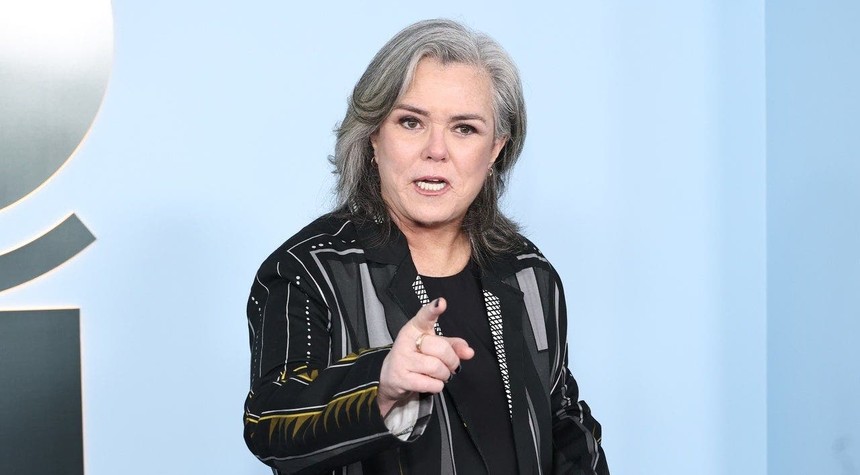
The cameras were rolling at the Tony Awards this past Sunday when Rosie O’Donnell decided to make her return to the public spotlight memorable, launching into a blistering attack on President Donald Trump that raised eyebrows even in entertainment circles accustomed to political theatrics.
O’Donnell, who had previously left the United States in what she described as a self-imposed exile following Trump’s election victory, used the occasion to unleash a torrent of personal insults against the sitting president. The 64-year-old comedian and former talk show host did not mince words, calling Trump a conman, narcissist, and psychopath during an interview at the awards ceremony.
“If you grew up in New York, you knew he was an a–hole and a liar from day one,” O’Donnell stated, attempting to establish her credentials as a longtime observer of Trump’s business career. She went on to reference various chapters from Trump’s past, including financial difficulties in the 1990s and allegations about his media relations tactics.
The vitriol is nothing new for O’Donnell, who has maintained a years-long public feud with Trump dating back to 2006. What makes this latest outburst noteworthy is the timing and circumstances. After choosing to leave the country rather than live under a Trump administration, O’Donnell has now returned to resume her role as one of the president’s most vocal celebrity critics.
The question reasonable Americans might ask is this: What purpose does such inflammatory rhetoric serve? Calling the President of the United States a psychopath on national television may play well to certain audiences in Hollywood, but it does little to advance any meaningful political discourse.
O’Donnell’s claims about Trump’s business history are selective at best. The president has been forthright about the challenges he faced during the economic downturn of the early 1990s, when many real estate developers struggled. What O’Donnell conveniently omits is Trump’s subsequent recovery and the building of a business empire that eventually propelled him to the White House.
The entertainment industry’s relationship with political commentary has become increasingly fraught in recent years. Awards shows that once served as celebrations of artistic achievement have transformed into platforms for political grandstanding. O’Donnell’s remarks at the Tony Awards represent yet another example of this trend.
Her decision to return to the United States after her self-imposed exile also raises questions about the sincerity of such dramatic gestures. When celebrities threaten to leave the country over election results, then quietly return to resume their careers and their criticism, it undermines whatever point they were attempting to make in the first place.
The American people have grown weary of Hollywood lectures and personal attacks masquerading as political commentary. O’Donnell is certainly entitled to her opinions about the president, but resorting to name-calling and armchair psychological diagnoses does nothing to elevate the national conversation.
As this story continues to circulate, it serves as a reminder of the deep divisions that persist in our cultural and political landscape. The question remains whether public figures like O’Donnell will ever recognize that such inflammatory rhetoric only deepens those divisions rather than healing them.
Related: Trump Walks Out of Network Interview After Heated Exchange on Election Integrity