
The Golden State finds itself in familiar territory this week, with voters still waiting to learn the final outcomes of two critical races that will shape California’s political landscape for years to come.
In Los Angeles, the battle for second place in the mayoral primary has become a nail-biter that would test anyone’s patience. City Councilwoman Nithya Raman, who trailed political newcomer Spencer Pratt by six percentage points just days ago, has now edged ahead by less than one percentage point according to Sunday’s vote tally. It is the kind of dramatic reversal that reminds us why every ballot matters, even when conventional wisdom suggests otherwise.
Incumbent Mayor Karen Bass has secured her spot in the November runoff, but the question of who will challenge her remains up in the air. The uncertainty speaks to a larger issue that Californians have grown wearily accustomed to in recent election cycles.
Meanwhile, the race to succeed Governor Gavin Newsom has turned into its own exercise in extended suspense. Newsom, having served two terms, is constitutionally barred from seeking another, leaving the governor’s mansion up for grabs in what has been described as a chaotic primary process.
Xavier Becerra, who previously served as U.S. Health and Human Services Secretary, has reportedly secured one of the two spots in the general election. If he ultimately prevails in November, Becerra would make history as California’s first Latino governor since Republican Romualdo Pacheco held the office in the 1870s.
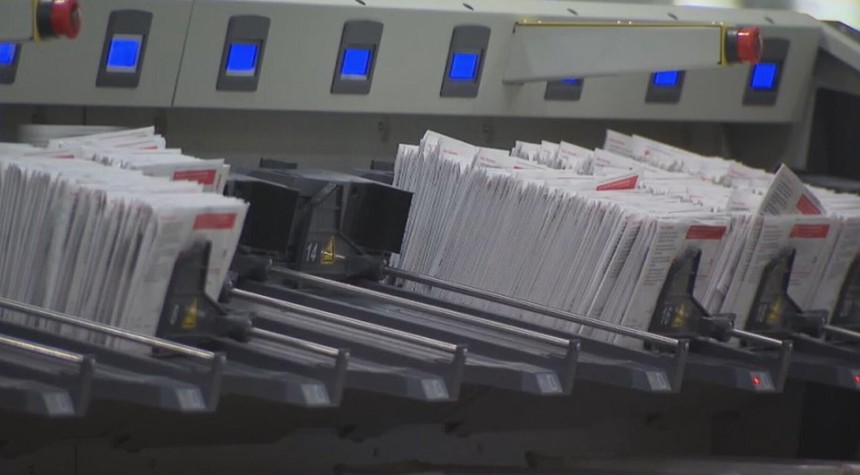
The prolonged vote counting raises questions that deserve serious consideration. California operates under a unique primary system where the top two vote-getters advance to the general election regardless of party affiliation. While this approach has its proponents who argue it promotes moderation and cross-party appeal, the state’s ballot-counting procedures have drawn criticism from those who believe results should be delivered more promptly.
The reality is that California’s election infrastructure, despite the state’s technological prowess and substantial resources, continues to lag behind many other states in delivering timely results. This is not a small matter of inconvenience. When voters cast their ballots, they deserve to know the outcomes within a reasonable timeframe. Prolonged uncertainty undermines confidence in the electoral process and leaves candidates, campaign workers, and citizens in an uncomfortable state of limbo.
As the counting continues and margins shift with each update, one thing remains clear: California’s election system needs examination. Whether you lean left or right, the principle of efficient, transparent vote counting should unite us all. The technology exists to expedite this process while maintaining accuracy and security. The question is whether California’s political leadership has the will to implement meaningful reforms.
For now, Californians wait. And wait some more. In a state that prides itself on innovation and progress, that waiting feels increasingly out of step with both the times and the expectations of the people who call California home.
Related: Trump Walks Out of Network Interview After Heated Exchange on Election Integrity