The Southern Poverty Law Center, long considered a watchdog against extremism in America, now finds itself in the uncomfortable position of defending allegations that it secretly paid millions to the very hate groups it claimed to oppose.
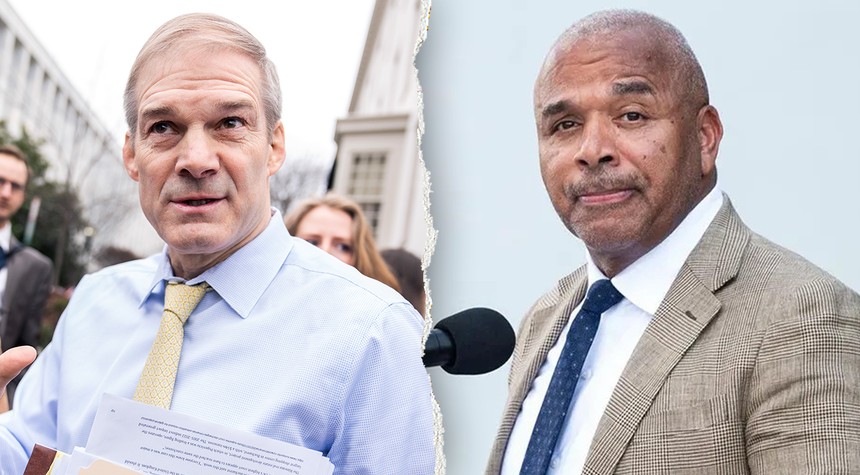
Bryan Fair, the organization’s interim chief executive and president, will face pointed questions from the House Judiciary Committee on Tuesday as lawmakers dig deeper into what appears to be a troubling disconnect between the nonprofit’s public mission and its private practices.
The stakes could not be higher. Federal prosecutors secured an 11-count indictment against the law center in April, charging the organization with defrauding donors by concealing payments to members of the Ku Klux Klan, United Klans of America, the Aryan Nation, and other neo-Nazi organizations. A superseding indictment filed last week specified that the center covertly transferred more than four million dollars in donor funds to bank accounts operating under fictitious names.
“There are a lot of legitimate questions about what the SPLC was doing with donor money and how they were using it to basically fund the type of hate that they were pretending to be going after,” Representative Brandon Gill of Texas said Monday.
The irony runs deep. For decades, the Southern Poverty Law Center positioned itself as America’s premier authority on hate groups and extremism. Donors contributed generously, believing their money would combat bigotry and violence. Instead, according to federal prosecutors, those same dollars allegedly ended up in the pockets of the extremists themselves.
House Judiciary Committee Chairman Jim Jordan of Ohio has expanded his investigation beyond the financial allegations. His committee is examining the close relationship between the law center and the Department of Justice during the previous administration, particularly how the nonprofit’s controversial “hate map” influenced federal civil rights policy.
Republicans have raised serious concerns about this arrangement. The law center’s hate map, which designated various conservative organizations as extremist groups, included mainstream entities like Turning Point USA, Moms for Liberty, and the Family Research Council. Critics argue this classification system was designed to delegitimize conservative voices rather than identify genuine threats.
“For me, the biggest takeaway is the fact that the Biden White House and the Biden Justice Department helped make the Southern Poverty Law Center the standard,” Jordan said last week.
Representative Gill echoed these concerns, suggesting the motivation was political. “The purpose of doing that was to basically stifle their ability to get the conservative message out,” he explained.
The congressional probe predates the criminal indictment, but the federal charges have added urgency and credibility to lawmakers’ questions. The allegations paint a picture of an organization that may have operated an informant network within extremist groups while simultaneously funding those same organizations with tax-exempt donations intended to fight hatred.
This case raises fundamental questions about accountability in the nonprofit sector. When organizations claim tax-exempt status based on charitable missions, donors and taxpayers deserve transparency about how those funds are used. The allegations against the Southern Poverty Law Center suggest a betrayal of that trust on a massive scale.
As Fair prepares for his Tuesday testimony, the American public waits for answers. How could an organization dedicated to confronting hate allegedly become a financial supporter of the nation’s most notorious hate groups? What oversight failures allowed this to continue? And how did federal agencies come to rely so heavily on an organization now facing serious criminal charges?
The truth, as it often does, will emerge through careful investigation and persistent questioning. Tuesday’s hearing represents an important step in that process.
Related: Razor-Thin Margins Keep California Voters Waiting for Primary Results