The wheels of commerce and politics have collided once again, this time over a mobile phone venture that promised American manufacturing but has delivered little more than questions and consumer frustration.
Eleven Democratic lawmakers dispatched a letter Thursday to the Federal Trade Commission requesting an investigation into Trump Mobile, the cellular phone business launched by Donald Trump Jr. and Eric Trump back in June with considerable fanfare at Trump Tower. The legislators are asking federal regulators to examine whether the company violated consumer protection laws through what they characterize as potentially deceptive advertising and unfulfilled product promises.
The facts, as they stand, paint a troubling picture for consumers who put their faith and their money into this venture. Trump Mobile announced its flagship T1 phone in June, promising delivery by August. That deadline came and went. Customers who placed $100 deposits for these devices are still waiting, their phones nowhere in sight and their patience wearing thin.
Senator Elizabeth Warren of Massachusetts and Representative Robert Garcia of California led the congressional effort, joined by nine other Democratic colleagues from both chambers. Their letter raises pointed questions about whether Trump Mobile engaged in false advertising, particularly regarding claims that the T1 phone would be manufactured in the United States.
Here is where the story takes a curious turn. The original marketing materials for Trump Mobile prominently featured “Made in the USA” messaging, a powerful selling point in today’s market where American manufacturing has become both an economic and political rallying cry. Yet less than a month after the launch announcement, those claims quietly disappeared from the company’s website. The phrase was replaced with the considerably vaguer description of “American-proud design,” which any reasonable person would recognize as something entirely different from actual American manufacturing.
The situation grows more perplexing when you examine the company’s current practices. A Trump Mobile call operator this week reportedly told an inquirer that the phone would indeed be made in the United States, contradicting the website’s retreat from that claim. This kind of inconsistency raises legitimate questions about what customers were promised and what they can reasonably expect to receive.
The lawmakers did not mince words in their letter to the FTC. They wrote that the agency’s response to potential violations by Trump Mobile would serve as a critical test of the commission’s independence and its commitment to protecting the public from deceptive business practices. That is strong language, and it reflects the political sensitivity surrounding anything bearing the Trump name.
The FTC has not yet responded publicly to the request for investigation or comment on whether any inquiry has already begun. The agency also has not disclosed whether it has held discussions with the president or any of the businesses involved in Trump Mobile.
One news organization placed a $100 deposit on the T1 phone in August to track its development. In October, a customer support representative promised a specific delivery date of November 13. That date passed without any update or communication to customers.
For consumers caught in this situation, the questions are straightforward. Where are the phones they paid for? Were they misled about where these devices would be manufactured? And will anyone be held accountable if the promises made do not match the products delivered?
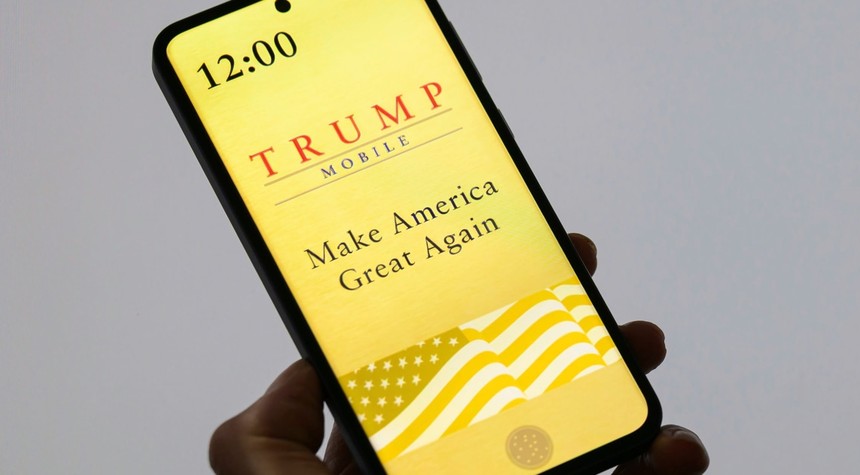
The Trump Mobile venture promised customers a gold-colored phone featuring an American flag on its back, along with mobile carrier plans. Whether those promises translate into actual products remains an open question that grows more pressing with each passing day.
Related: Minnesota Federal Prosecutors Dismissed Following Internal Clash With DOJ Leadership