The battle lines are drawn in Minnesota, and they are getting deeper by the day.
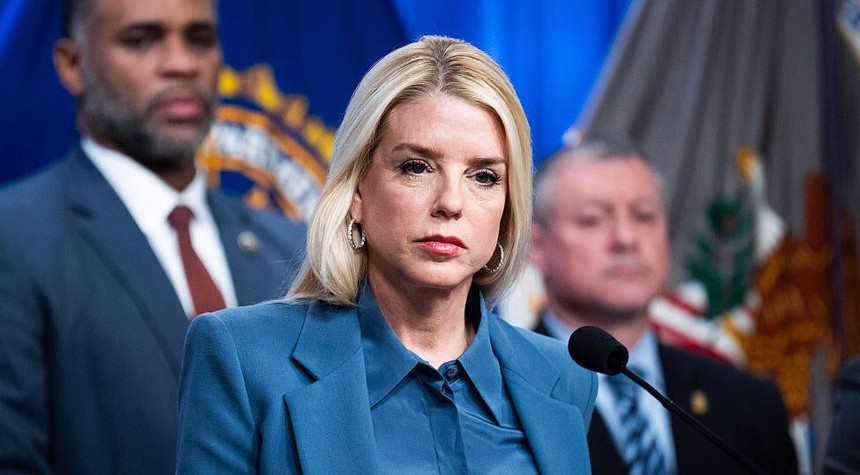
Attorney General Pam Bondi has issued a direct challenge to Minnesota Governor Tim Walz, demanding the state open its voter rolls, public assistance records, and jail facilities to federal authorities. The three-page letter, delivered Saturday, represents an escalation in tensions between the Trump administration and a state that has become ground zero in the national debate over immigration enforcement and election integrity.
This is about more than immigration policy. It is about whether states can pick and choose which federal laws they will honor and which they will ignore.
Bondi’s letter pulls no punches. She accused Minnesota officials of “anti-law enforcement rhetoric” and charged that their policies are “putting federal agents in danger.” Her demands are straightforward: eliminate all sanctuary policies, grant Immigration and Customs Enforcement full access to local jails, and honor federal detainer requests for individuals in custody.
“I am confident that these simple steps will help bring back law and order to Minnesota and improve the lives of Americans,” Bondi wrote.
The timing matters. Two shootings involving federal immigration agents in Minneapolis have inflamed an already volatile situation. The second incident occurred Saturday, just as Bondi’s letter was being delivered. Governor Walz’s office responded by calling the federal presence a “federal occupation,” language that signals how far apart these two sides have moved.
But Bondi’s letter extends well beyond immigration enforcement. The attorney general wants access to Minnesota’s voter registration data to verify compliance with federal election law. The Justice Department has been pursuing this information for months, even filing suit last year. The question of who votes, and whether states are maintaining clean voter rolls, remains a flashpoint in American politics.
Then there is the matter of public assistance. Bondi demanded records from Minnesota’s Medicaid and food stamp programs so federal investigators can root out fraud. The Trump administration has made clear it believes Minnesota’s public assistance programs have been exploited, and it intends to prove it.
State corrections officials maintain they already cooperate with federal immigration authorities, though they acknowledge that cooperation varies from county to county. That patchwork approach is precisely what the federal government finds unacceptable. The administration has suggested it might scale back enforcement operations if given direct access to state detention facilities, but Minnesota has not taken that deal.
Governor Walz’s office fired back with a statement criticizing what it called the conduct of federal agents and demanding “a serious conversation about ending this federal occupation.” The statement made clear that Minnesota views the federal enforcement efforts as excessive and unlawful.
“This is not common sense, lawful immigration enforcement,” the governor’s office declared.
The standoff in Minnesota reflects a broader constitutional question that has simmered since the founding: what happens when state and federal authorities fundamentally disagree about the enforcement of federal law? The Trump administration believes it has both the authority and the obligation to enforce immigration law, even over state objections. Minnesota believes it has the right to set its own policies regarding cooperation with federal agents.
This fight is far from over. With the attorney general now personally involved and tensions rising on the streets of Minneapolis, Minnesota has become a test case for how far the federal government will go to enforce its immigration priorities and how hard blue states will resist.
The stakes could not be higher, and neither side appears ready to back down.
Related: Ted Cruz Returns to Texas Ahead of Major Winter Storm After Social Media Firestorm