The question of who controls artificial intelligence when national security hangs in the balance just became a whole lot more urgent in Washington.
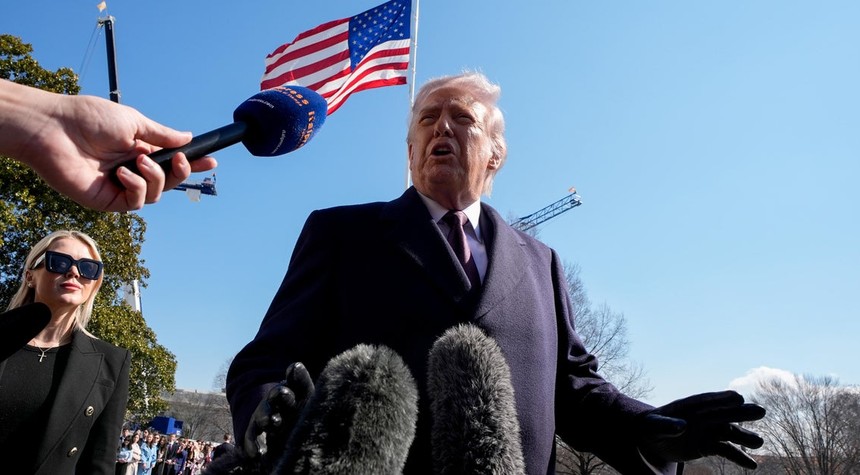
President Trump issued a sweeping directive Friday ordering every federal agency to cease using technology from Anthropic, a major artificial intelligence company that has found itself at odds with the Pentagon over how the military should deploy AI systems. The announcement came as the company faced a looming Defense Department deadline to abandon its insistence on placing guardrails around military applications of its technology.
The president’s declaration on Truth Social left no room for interpretation. Federal agencies must immediately stop using Anthropic’s products, and the administration will not conduct business with the company going forward. For agencies like the Department of Defense that have integrated Anthropic’s systems into their operations, the White House is allowing a six-month transition period to find alternatives.
But here is where the situation takes a harder edge. The president made clear that Anthropic’s cooperation during this phase-out period is not optional. Should the company prove difficult or obstruct the transition, Trump warned he would deploy the full authority of his office to compel compliance, including potential civil and criminal penalties.
This confrontation raises fundamental questions about the relationship between private technology companies and national defense. When a company develops cutting-edge artificial intelligence that the military wants to use, who gets to set the terms? Can a private corporation dictate conditions on how the armed forces employ technology, even if those conditions are framed as ethical safeguards?
Anthropic apparently believed it could. The company had been pushing for restrictions on how the Pentagon could use its AI systems, presumably to prevent applications the firm deemed problematic or dangerous. That stance, whatever its merits in the abstract, ran headlong into the reality that the Defense Department answers to elected officials and the commander-in-chief, not to Silicon Valley boardrooms.
The timing of this announcement is notable. The Pentagon had set a deadline for Anthropic to drop its guardrail demands, and the president’s order arrived just as that deadline approached. The message from the administration could not be clearer: when national security requirements conflict with a private company’s preferences, national security wins.
What remains to be seen is how this dispute will reshape the broader conversation about AI governance. Other technology firms developing advanced artificial intelligence systems are surely taking note. The federal government represents an enormous market, and losing access to it carries serious consequences. At the same time, many in the tech sector have expressed concerns about military applications of AI, fearing their innovations could be used in ways they find objectionable.
This tension between innovation and control, between private sector values and public sector needs, will not be resolved quickly or easily. But President Trump has now established a clear principle: companies that want to do business with the United States government, especially in matters touching on defense and security, must be prepared to work within the government’s requirements, not impose their own.
The six-month clock is ticking for affected agencies. How smoothly this transition proceeds may well determine whether the threatened consequences become reality.
Related: Rubio Demands Full Investigation After Unusual Cuban Coast Guard Shootout