The skies above America’s most vulnerable facilities may soon have new guardians, if one senator has his way.
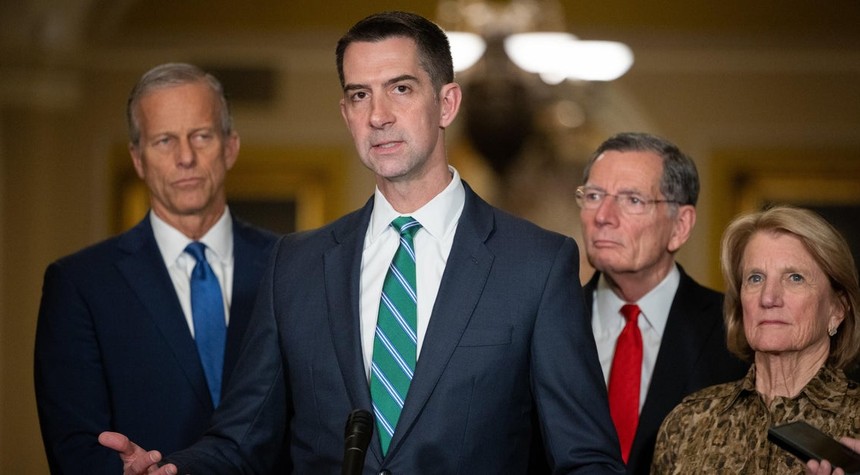
Senator Tom Cotton of Arkansas has introduced legislation that would fundamentally reshape how this nation protects its critical infrastructure from an increasingly dangerous threat hovering just overhead. The “Critical Infrastructure Airspace Defense Act” represents a serious attempt to address what security experts have long warned is a glaring vulnerability in our national defense posture.
The proposal is straightforward in its intent but significant in its implications. Private operators of sensitive sites including power plants, hospitals, and water treatment facilities would gain the legal authority to detect, track, and neutralize unauthorized drones that pose credible threats to their operations. This authority would not come without strings attached. Operators would first need to complete federal training and certification programs before wielding such defensive capabilities.
The current state of affairs leaves much to be desired, and that is putting it mildly. Private companies bear the responsibility for securing facilities that millions of Americans depend upon for electricity, clean water, and medical care. Yet under existing law, these same operators find their hands tied when hostile drones enter their airspace. They can watch the threat approach, but taking action to stop it remains largely off limits.
Cotton made the stakes clear in his remarks. “Our hospitals, power plants, water treatment facilities, and other critical infrastructure sites cannot remain sitting ducks,” the senator stated. It is a vivid image, and an accurate one. The technology to launch drone attacks has become cheaper and more accessible with each passing year, while the legal framework to counter such threats has lagged dangerously behind.
This legislative effort builds upon earlier bipartisan work on counter-drone provisions that found their way into recent fiscal legislation. That bipartisan foundation matters, because the drone threat recognizes no party lines. Whether the facility in question provides power to red states or blue states makes no difference to those who would do us harm.
The gaps in current counter-drone policy have troubled lawmakers and security officials alike for good reason. Drones represent an asymmetric threat that hostile actors, whether foreign adversaries or domestic terrorists, can exploit with relative ease. A small unmanned aircraft can carry explosives, conduct surveillance, or disrupt operations at facilities where even minor interruptions can cascade into regional emergencies.
The senator’s proposal would place defensive authority closer to the point of vulnerability. Rather than waiting for federal response teams that may be hours away, trained operators on site could respond immediately to emerging threats. Speed matters when seconds can mean the difference between a thwarted attack and a successful one.
Questions remain about implementation. How rigorous will the federal certification process be? What rules of engagement will govern when and how operators can take action? How will this authority mesh with existing aviation regulations and law enforcement jurisdictions? These details will matter greatly as the legislation moves forward.
But the core principle deserves serious consideration. America’s critical infrastructure faces real threats from above, and those charged with protecting these facilities need the tools and authority to do their jobs effectively.
Related: Warren Attacks Federal Reserve Nominee Warsh in Contentious Senate Hearing