The old saying goes that you can judge a man by the company he keeps. Well, friends, the same might be said of organizations, and right now, the Southern Poverty Law Center finds itself at the center of a storm that raises some mighty troubling questions.
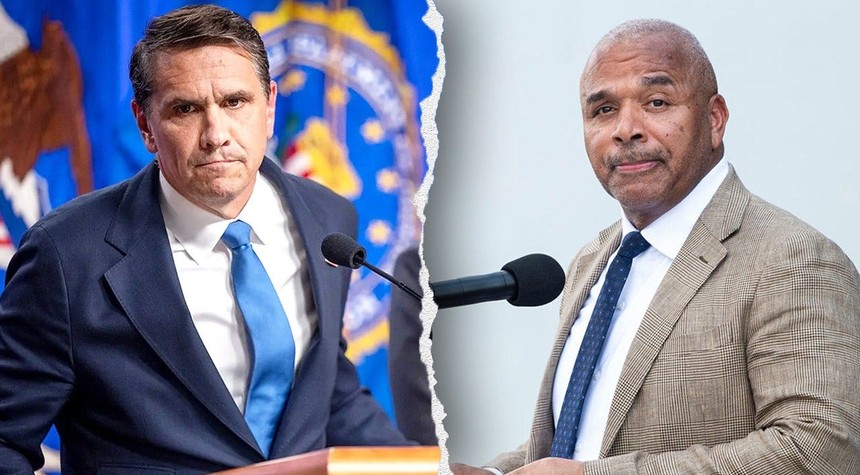
The Department of Justice has leveled serious fraud charges against the SPLC, an organization that has long positioned itself as a watchdog against hate groups. Acting Attorney General Todd Blanche and FBI Director Kash Patel have laid out accusations that should make any American sit up and take notice. The government alleges the organization funneled more than three million dollars to various extremist groups, including payments to members of the Ku Klux Klan and affiliates of the Aryan Nations.
Let that sink in for a moment. An organization that built its reputation fighting white supremacy now stands accused of sending money to the very groups it claims to oppose.
George Washington University Law Professor Jonathan Turley has added another layer to this story, revealing that an earlier investigation into the SPLC was quietly closed during the previous administration. The timing and circumstances of that closure deserve scrutiny.
Now, as federal prosecutors move forward with their case, a coalition of left-leaning organizations has rushed to the SPLC’s defense. The National Association of Social Workers published a blog post by Senior Policy Advisor Mel Wilson, declaring support for the embattled organization and expressing confidence that it will be vindicated. Wilson’s post included a list of more than one hundred nonprofit organizations standing with the SPLC as part of The Leadership Conference on Civil and Human Rights.
The Council on American-Islamic Relations has been particularly vocal, issuing a press release that characterizes the Justice Department’s actions as political targeting. Their statement describes the prosecution as an attack on the rule of law and calls on Americans and elected officials to stand in solidarity with the SPLC.
This reflexive circling of the wagons raises important questions about accountability within the nonprofit sector. These organizations wield considerable influence in shaping public discourse about civil rights and extremism. When one faces serious criminal charges, the response from its allies should not be automatic defense, but rather a commitment to truth and transparency.
The irony here cuts deep. CAIR itself carries baggage from its connection to the Holy Land Foundation trial, where it was named as a co-conspirator in what became the largest terrorism financing case in American history.
The American people deserve answers. If the SPLC is innocent of these charges, a fair trial will establish that fact. But the rush to defend the organization before the evidence has been fully examined suggests something else may be at work here, a closing of ranks that prioritizes ideological alignment over accountability.
This case could have far-reaching implications for how partisan nonprofits operate and whether they face appropriate oversight. The Treasury Department under Secretary Bessent may well use this moment to examine the broader landscape of politically active nonprofit organizations.
Justice, as they say, should be blind. It should not matter whether an organization wraps itself in the language of civil rights or social justice. What matters is the truth, and whether the law applies equally to all.
Related: King Charles III to Visit Ground Zero Memorial Next Week Alongside Socialist Mayor