The clock is ticking on Capitol Hill, and House Republicans find themselves in a familiar predicament: divided against themselves when unity matters most.
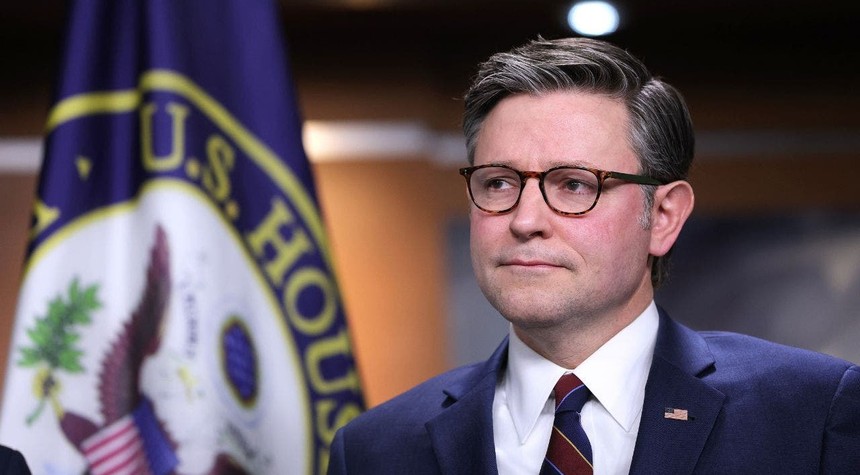
Speaker Mike Johnson faces a rebellion within his own ranks as he attempts to shepherd through an extension of Section 702 of the Foreign Intelligence Surveillance Act before the April 30 deadline. The House Rules Committee on Tuesday hit the pause button on consideration of the measure, a telling sign that the votes simply are not there yet.
This is not just political theater. Section 702 represents one of the most powerful surveillance tools in the government’s arsenal, allowing intelligence agencies to monitor foreign targets’ communications. The question at hand is whether that power has been wielded responsibly, and whether Americans’ privacy has been adequately protected in the process.
The proposed extension would renew the controversial spy law for three years while establishing new penalties for those who abuse FISA searches. On paper, that sounds like a reasonable compromise. But for a growing faction of GOP privacy hawks, it falls short of the mark by a considerable margin.
These Republicans are demanding something more substantial: a warrant requirement before the government can access Americans’ communications swept up in foreign surveillance. It is a principled stand rooted in Fourth Amendment concerns, and they show no signs of backing down.
Representative Ben Cline of Virginia stands among those pressing for stronger privacy protections. The tension reflects a broader philosophical divide within the Republican conference about the proper balance between national security imperatives and constitutional safeguards.
Speaker Johnson finds himself caught between competing pressures. On one side, intelligence officials and national security hawks argue that Section 702 is indispensable for protecting the homeland from foreign threats. On the other, privacy advocates within his conference see an opportunity to rein in what they view as government overreach that has gone unchecked for too long.
The postponement of the Rules Committee action raises serious questions about whether Johnson can wrangle the votes needed before the deadline arrives. With just days remaining, the path forward appears murky at best.
This situation underscores a recurring challenge for House Republican leadership: managing a conference with deeply held, sometimes conflicting principles. The slim majority leaves little room for defections, and on matters touching both national security and civil liberties, members tend to hold firm convictions.
The American people deserve a government that can protect them from genuine threats without trampling the constitutional rights that define us as a nation. That balance has always been difficult to strike, and it remains so today.
What happens in the next few days will reveal whether Republicans can bridge their internal divisions and pass meaningful surveillance reform, or whether the deadline will arrive with the matter unresolved. Either outcome carries significant consequences.
The stakes are high, the time is short, and the Republican conference remains at odds with itself. That is the reality facing Speaker Johnson as he navigates one of the most challenging issues of his tenure.
Related: Supreme Court Delivers Win for Texas Republicans in Redistricting Fight