Appeals Court Hands Trump Administration Win on ICE Enforcement in Minnesota
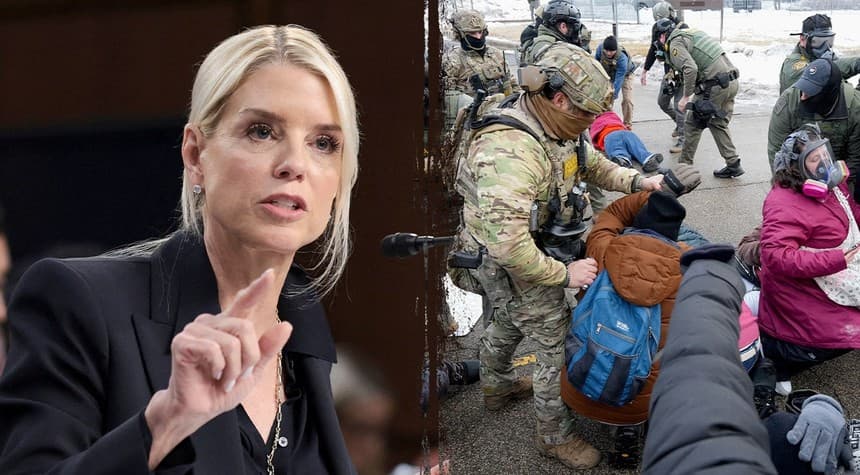
The wheels of justice turned in favor of federal immigration enforcement this Wednesday when the 8th Circuit U.S. Court of Appeals temporarily lifted restrictions that had handcuffed Immigration and Customs Enforcement agents operating in Minnesota.
This is a story about power, protests, and the question of who gets to decide how America's immigration laws are enforced on the ground.
The appeals court issued an unsigned order placing an administrative stay on limitations that a district judge had imposed after protesters filed suit against the Department of Homeland Security and ICE. Those restrictions are now paused while the higher court weighs the government's full appeal. For the Trump administration, it represents a significant, if temporary, victory in what has become a nationwide legal battle over immigration enforcement tactics.
Attorney General Pam Bondi did not mince words in her response. She characterized the lower court's actions as judicial activism run amok, claiming that a liberal judge had attempted to prevent ICE agents from doing their jobs while enforcing the nation's immigration laws. According to Bondi, the restrictions were deliberately designed to undermine federal law enforcement, and she vowed that the Department of Justice would protect agents from what she called criminals in the streets and activist judges in the courtroom alike.
The legal controversy stems from a preliminary injunction issued by U.S. District Judge Kate Menendez on January 16. That ruling sided with protesters and legal observers who had sued over their treatment during immigration enforcement operations connected to Operation Metro Surge in the Twin Cities area.
Judge Menendez found that the plaintiffs were likely to succeed on claims that federal agents had violated their First and Fourth Amendment rights. The evidence she cited painted a troubling picture of confrontations in which ICE agents allegedly deployed pepper spray, pointed weapons at observers, made arrests, and conducted traffic stops against individuals who were peacefully monitoring or protesting immigration enforcement activities.
The case raises fundamental questions about the balance between effective law enforcement and constitutional protections. ICE is reportedly operating under an internal memo that asserts broader authority to use force during arrests, including entering homes with administrative warrants rather than warrants signed by a judge. That policy shift has drawn sharp criticism from civil liberties advocates who see it as an overreach of executive power.
Meanwhile, the legal heat in Minnesota extends beyond this courtroom battle. Federal prosecutors have opened investigations into Minnesota Governor Tim Walz, Attorney General Keith Ellison, and Minneapolis Mayor Jacob Frey over allegations that they impeded law enforcement operations. The Department of Justice has also launched a civil rights investigation after agitators stormed a church in the state.
These parallel investigations suggest a broader confrontation between the federal government and state and local officials who have taken a more sympathetic stance toward immigration protesters and a more skeptical view of aggressive federal enforcement tactics.
The 8th Circuit's decision provides the Trump administration with breathing room as it pursues its immigration enforcement priorities. However, the underlying legal questions remain unresolved, and the full appeals process will ultimately determine whether the restrictions imposed by the district court will stand or fall.
What happens next in Minnesota may well set precedents that ripple across the country, affecting how immigration enforcement is conducted and what constitutional protections apply to those who choose to observe or protest those operations.
Related: Pro-Life Group Demands Federal Action on Abortion Pill Distribution Practices