The Federal Bureau of Investigation has requested local law enforcement to propose names of individuals associated with drug cartels and gangs for inclusion in the U.S. government’s terrorist watch list, set up in the aftermath of the 9/11 attacks. This could potentially result in a higher number of Americans being added to the list, according to recent law enforcement documents.
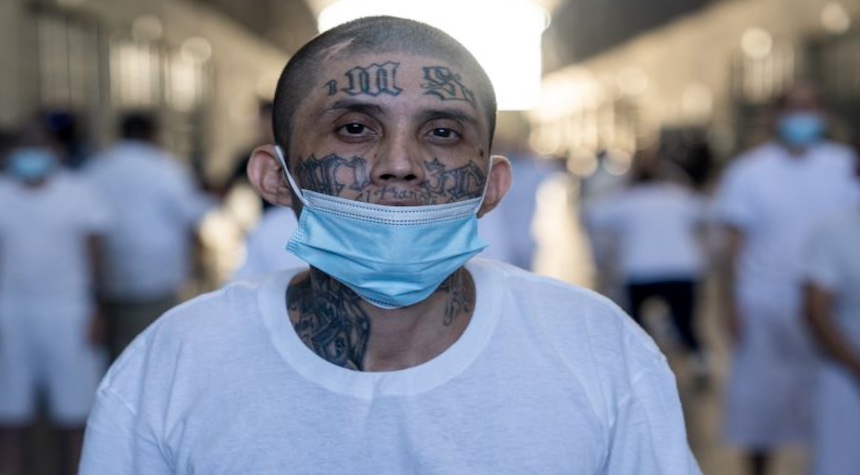
An email sent by the FBI on May 9th urged law enforcement agencies to share the names of individuals they suspect to be connected to eight criminal organizations. These groups have been identified as foreign terrorist organizations by the Trump administration. The FBI also requested information on the family members and associates of these suspected individuals.
This development could mean that local police officers may encounter more terrorism alerts during routine traffic stops or background checks using the National Crime Information Center database, as indicated by the FBI. The Trump administration, in February, labeled several gangs, including MS-13, Tren de Aragua, and the Sinaloa drug cartel, as foreign terrorist organizations, citing their potential threat to national security and economic interests.

Civil liberties advocates have voiced concerns about the U.S. government’s reliance on potentially questionable evidence to decide who to include on the watch list. They argue that the U.S. watch-listing system is already prone to errors and lacks due process, and this new directive could exacerbate these issues.
The classification of cartel and gang members as terrorists could drastically expand the number of individuals on the watch list. Civil rights groups have raised issues about the secretive nature of the list and the potential for increased surveillance and travel restrictions for those included. In 2019, a federal judge ruled that the list infringed on the due process rights of certain U.S. citizens.

The government must provide reasonable suspicion that a person is associated with one of the designated terrorist groups before they can be added to the watch list. Friends and associates of the suspected individuals would not be automatically added, unless the government also suspects them of involvement.
The Privacy and Civil Liberties Board issued a report in January with recommendations on how to improve the accuracy and reliability of the list. However, a few days later, the Trump administration dismissed three of its four board members.
In conclusion, while the FBI’s request may potentially enhance national security efforts, it raises crucial questions about due process and the potential for overreach.