
The political landscape in northwest Georgia has shifted, and the reverberations are being felt all the way to Washington.
Clay Fuller, the Republican who secured victory in Tuesday’s special congressional election for Georgia’s 14th District, made it abundantly clear where he believes the credit belongs. In his assessment, President Trump was the decisive factor in his win.
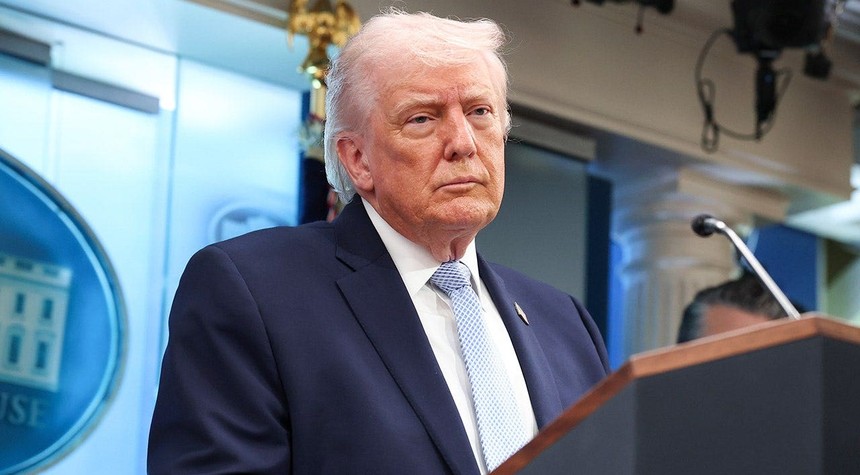
The president himself wasted no time weighing in on the results. On Wednesday, Trump took to his social media platform to simultaneously celebrate Fuller’s victory and deliver a scathing rebuke of former Representative Marjorie Taylor Greene, whose vacant seat Fuller will now fill.
“Marjorie ‘Traitor’ Brown’s seat in Congress has been taken over by a wonderful and talented man, Clay Fuller, who won convincingly, and right from the beginning, despite many people running for that ‘TRUMP’ plus 37 seat, and despite the stench left by Greene,” the president declared.
The reference to the district as a “plus 37 seat” underscores its deeply Republican character. Trump carried the district by that substantial margin, making it one of the most reliably conservative constituencies in the nation. Yet even in such favorable territory, Fuller faced a crowded field of candidates vying for the position.
The president’s criticism of Greene marks a dramatic turn in their relationship. Once considered among Trump’s staunchest allies during her tenure in Congress, Greene has recently found herself on the receiving end of presidential disapproval. Trump went so far as to call Fuller “a very large improvement over his deranged predecessor.”
This public falling out stems from Greene’s recent criticism of the administration. She has accused Trump and Republican leadership of governing with “America last” priorities and has made the bold prediction that the party faces significant losses in the upcoming midterm elections. Such pronouncements from within party ranks rarely go unnoticed or unanswered by this president.
Fuller’s victory carries particular significance beyond the personal dynamics between Trump and Greene. It demonstrates the continued potency of presidential endorsement in Republican primaries and special elections, especially in districts where Trump remains popular with the base.
The new congressman-elect has acknowledged this reality directly. By attributing his success to the president’s support, Fuller signals his intention to align closely with the administration’s agenda once sworn into office.
Northwest Georgia voters have spoken decisively, choosing to send a fresh face to Washington rather than return to the political turbulence that characterized Greene’s tenure. Whether Fuller can maintain the president’s favor while navigating the complexities of congressional service remains to be seen.
What is certain is that this special election has provided yet another data point in understanding the current state of Republican politics. Presidential favor matters, party loyalty has its limits, and criticism of the administration from within carries consequences.
As Fuller prepares to take his oath of office, he does so with the president’s blessing and the weight of expectations that come with it. The 14th District has turned a page, and Washington will be watching to see what gets written next.
Related: Few Republicans Challenge President’s Warning to Destroy Iranian Civilization