FBI Investigates Former Counterterrorism Chief Who Resigned Over Iran War Opposition
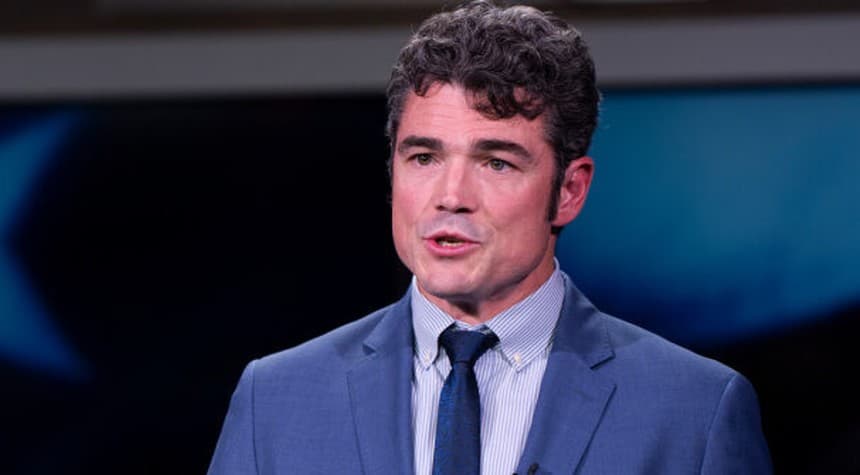
The wheels of federal law enforcement are turning against a former top national security official who made waves this week by resigning in protest over American military action in Iran.
Joe Kent, who until Tuesday served as director of the National Counterterrorism Center, finds himself under investigation by the Federal Bureau of Investigation for allegedly leaking classified information. Multiple sources have confirmed that this investigation predates his dramatic departure from the position, raising serious questions about the timeline of events and what Kent may have disclosed.
The investigation, confirmed by four separate sources familiar with the matter, casts a shadow over Kent's public resignation, which he framed as a matter of conscience regarding the Trump administration's military engagement with Iran.
In his resignation announcement, Kent pulled no punches about his reasons for leaving. He stated plainly that he could not "in good conscience support the ongoing war in Iran," arguing that the Islamic Republic "posed no imminent threat to our nation." Kent went further, claiming that America entered this conflict "due to pressure from Israel and its powerful American lobby."
These are serious allegations coming from someone who sat at the highest levels of America's counterterrorism apparatus. Kent's position gave him access to some of the nation's most closely guarded secrets regarding threats to American security. His assessment that Iran posed no imminent threat directly contradicts the public justifications offered for military action.
In a letter addressed to President Donald Trump, Kent attempted to position his resignation within the framework of loyalty to the president's original vision. He expressed support for "the values and the foreign policies" that Trump campaigned on, suggesting a disconnect between campaign promises and current policy execution.
The timing here demands scrutiny. If the FBI investigation truly predates Kent's resignation, as sources indicate, it raises the possibility that Kent knew federal investigators were circling before he made his public exit. Did the impending investigation influence the timing or nature of his resignation? Was his public statement an attempt to frame the narrative before potential charges?
The investigation into alleged leaks of classified information is no small matter. Such cases have resulted in criminal prosecutions and prison sentences for government officials who improperly disclosed sensitive national security information. The question becomes what information Kent allegedly leaked, to whom, and when.
Kent's resignation letter and public statements reveal a fundamental disagreement with current Middle East policy at the highest levels of the counterterrorism community. Whether his departure represents a principled stand or an attempt to get ahead of legal jeopardy remains to be seen.
The American people deserve answers about what classified information may have been compromised and whether our national security has been damaged. They also deserve an honest accounting of the intelligence assessments that led to military action against Iran.
This story sits at the intersection of national security, foreign policy, and government accountability. As the investigation proceeds, the facts will need to speak louder than political positioning from any quarter.
Related: DHS Nominee Mullin Retreats From Earlier Remarks About Minneapolis Shooting Victim