Courage, friends. The story unfolding in a California federal courtroom this week carries the weight of constitutional questions that would make the Founders themselves pause and reflect.
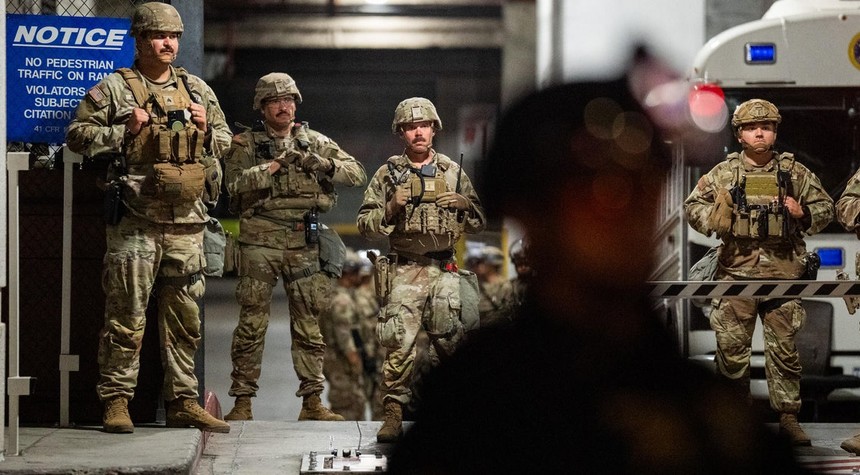
U.S. District Judge Charles Breyer has blocked the Trump administration from deploying members of the California National Guard in Los Angeles, ordering the return of these troops to Governor Gavin Newsom’s command. This marks the second time Judge Breyer has ruled against the administration’s efforts to maintain federal control over California’s Guard units.
The legal battle centers on Title 10, a federal statute that grants the president authority to federalize state National Guard forces under specific circumstances. The Trump administration invoked this power to deploy Guard members for protecting federal personnel and property during immigration enforcement operations. Governor Newsom, predictably opposed to the president’s immigration crackdown, challenged this federalization in court.
The facts are these: Defense Secretary Pete Hegseth issued orders in August and October to keep 300 California National Guard troops under federal control. The October directive sent 200 of these Guardsmen to Oregon, with the remaining 100 deployed throughout Los Angeles. These troops were scheduled to remain in federal service through February 2.
Judge Breyer pulled no punches in his 35-page ruling. He criticized the administration for maintaining control of these troops when, in his assessment, no evidence exists that federal law enforcement faced any hindrance. His words carry particular sting: “The Founders designed our government to be a system of checks and balances. Defendants, however, make clear that the only check they want is a blank one.”
The judge went further, accusing the administration of “effectively creating a national police force made up of state troops” by dispatching California Guardsmen to Oregon and Illinois. He characterized the government’s interpretation of Title 10 as overly expansive.
Now, here is where the rubber meets the road. The judge stayed his own order until Monday, providing the Justice Department an opportunity to appeal. This legal chess match continues.
California Attorney General Rob Bonta celebrated the ruling, declaring that “the President is not King” and cannot federalize the National Guard without proper justification. His statement frames this as a victory for democracy and the rule of law.
The administration first invoked Title 10 authority in June, responding to protests against immigration raids in the Los Angeles area. The law permits presidential federalization of state Guard units when the president determines he cannot execute federal laws through regular means.
This case raises profound questions about executive power, federalism, and the proper balance between state and federal authority. The National Guard occupies unique constitutional territory, serving dual roles under both state and federal command depending on circumstances.
Whatever your political persuasion, the constitutional implications deserve serious consideration. The power to federalize state military forces represents significant executive authority, and courts have traditionally scrutinized its exercise carefully.
The Trump administration now faces a choice: accept this setback or appeal to higher courts. Given the stakes involved in the broader immigration enforcement effort, an appeal appears likely. This story is far from over, and the final chapter may well be written by appellate judges weighing these competing claims of authority.
That is the news as we know it tonight.
Related: Colin Allred Exits Texas Senate Contest Hours Before Crockett’s Expected Announcement