
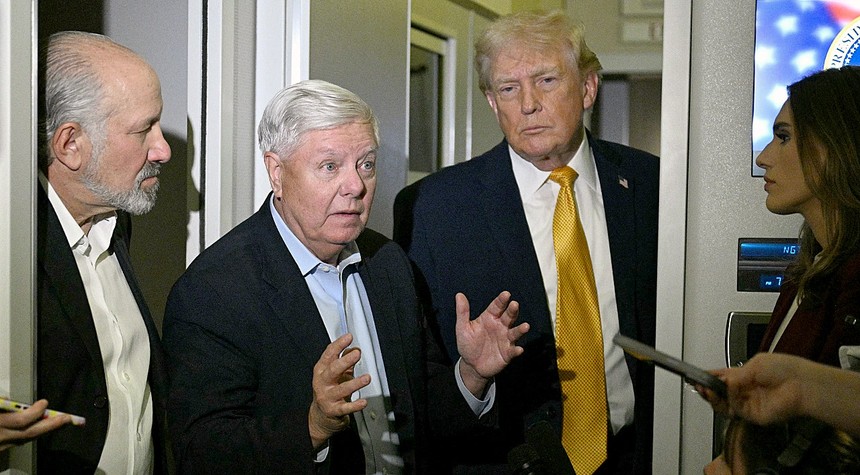
There are moments in this business when the pieces of a complex puzzle suddenly snap into place, and Wednesday brought one of those moments. President Donald Trump has thrown his weight behind a bipartisan Senate bill targeting Russia with fresh sanctions, a move that could reshape the diplomatic landscape as Moscow continues its deadly campaign in Ukraine.
Senator Lindsey Graham delivered the news following a meeting with the President, indicating the Senate could move to a vote as early as next week. This development comes after months of careful negotiation, the kind of behind-the-scenes legislative work that rarely makes headlines but often determines the course of nations.
“After a very productive meeting today with President Trump on a variety of issues, he greenlit the bipartisan Russia sanctions bill that I have been working on for months with Senator Richard Blumenthal and many others,” Graham stated Wednesday. The South Carolina Republican’s announcement carries weight, particularly given the bipartisan nature of the effort in an era when such cooperation has become increasingly rare.
The timing speaks volumes. As Graham noted with characteristic bluntness, “Ukraine is making concessions for peace and Putin is all talk, continuing to kill the innocent.” It is a stark assessment of the current state of affairs, where diplomatic overtures from Kyiv meet continued aggression from Moscow.
The sanctions package represents months of careful drafting by a bipartisan group of senators, a testament to the seriousness with which lawmakers view the Russian threat. Securing White House support proved crucial, and the President’s green light now clears the path for what could be significant economic pressure on the Kremlin.
The geopolitical chess match extends beyond Ukraine’s borders. Retired General Jack Keane, whose strategic insights have proven valuable throughout this crisis, has been analyzing Putin’s latest escalation tactics and the fragile state of peace negotiations. The general’s assessments paint a picture of a Russian leader increasingly isolated yet determined to project strength, even as his actions undermine any genuine path to peace.
Meanwhile, the broader strategic picture includes developments in Iran, where internal protests continue to challenge the regime’s stability. Trump has issued warnings regarding the situation, recognizing that instability in Tehran could have far-reaching implications for American interests and regional security.
The convergence of these crises underscores a fundamental truth about modern geopolitics. Actions in one theater inevitably ripple across others, and American policy must account for these interconnections. The Russia sanctions bill represents more than punitive measures against Moscow. It signals American resolve to support allies, punish aggression, and maintain international norms that have kept relative peace for decades.
As the Senate prepares for what could be a historic vote, the question remains whether economic pressure can change Putin’s calculus. History suggests sanctions alone rarely topple regimes or fundamentally alter behavior, but combined with military support for Ukraine and diplomatic isolation, they form part of a comprehensive strategy.
The coming days will reveal whether bipartisan cooperation can translate into effective policy, and whether the weight of international condemnation can finally penetrate the Kremlin’s walls. For now, the President and Congress appear aligned, a unity of purpose that has been sorely lacking on many fronts. Whether that unity proves sufficient to alter the tragic trajectory in Ukraine remains to be seen.
Related: Bondi Beach Hero Arrives in America, Calls Trump a Hero of the World