The stakes in the drug war have never been higher, and the Trump administration is making it crystal clear that it views the cartels operating south of our border as existential threats on par with the terrorist organizations that have haunted this nation for decades.
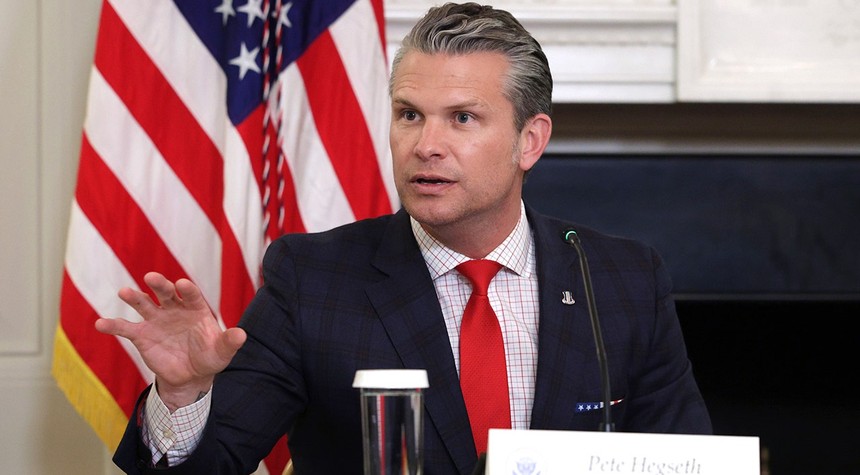
Secretary of War Pete Hegseth doubled down on his administration’s controversial policy this week, speaking from Malaysia where he characterized the narco-trafficking organizations as nothing less than “the al Qaeda of the Western Hemisphere.” These are not idle words from a cabinet secretary thousands of miles from home. They represent a fundamental shift in how America approaches the scourge of drugs flowing across our borders.
The policy in question involves military strikes against vessels suspected of involvement in drug smuggling operations. Dozens have been killed in these operations, and the administration shows no signs of backing away from this aggressive posture.
Hegseth has been consistent in his messaging. In an October 19 statement, he laid out the administration’s position in stark terms: “These cartels are the Al Qaeda of the Western Hemisphere, using violence, murder and terrorism to impose their will, threaten our national security and poison our people. The United States military will treat these organizations like the terrorists they are—they will be hunted, and killed, just like Al Qaeda.”
That kind of language carries weight. It signals a departure from treating drug trafficking as primarily a law enforcement matter and elevates it to a military operation with all the implications that entails.
President Donald Trump himself has embraced this framing, though he reached for a different comparison during remarks on October 23. “It should now be clear to the entire world that the cartels are the ISIS of the Western Hemisphere,” the commander in chief declared. Whether al Qaeda or ISIS, the message remains the same: these organizations represent terrorist threats deserving of military response.
The policy has its critics, and they are not staying quiet. Senator Rand Paul has publicly challenged the administration’s approach, specifically taking issue with Vice President JD Vance’s assertion that executing cartel members represents the best use of American military resources.
These are legitimate questions that deserve serious debate. The use of military force against non-state actors operating in international waters raises complex legal and diplomatic questions. The death toll from these strikes continues to mount, and the long-term implications of this policy remain uncertain.
Yet the administration’s position rests on a foundation that many Americans find compelling: the cartels have poisoned communities across this nation, fueled violence that has destabilized entire regions, and operated with impunity for far too long. The question is whether military strikes represent an effective solution or simply the latest chapter in a drug war that has defied easy answers for generations.
Hegseth’s remarks from Malaysia also touched on broader security concerns in the Indo-Pacific region, where he stated America would “stoutly defend” its interests. The timing underscores how the administration views these cartel operations as part of a larger national security framework rather than an isolated domestic issue.
The coming months will reveal whether this approach yields the results the administration promises or whether it opens new complications in an already complex situation.
Related: Government Shutdown Reaches Critical Point With Federal Aid Programs Running Dry