House Republicans Split as MAHA Movement Forces Vote on Pesticide Liability Shield
The corridors of power in Washington witnessed a telling fracture in Republican unity Thursday, as a bipartisan coalition stripped controversial pesticide protections from major farm legislation following an ultimatum from Florida Representative Anna Paulina Luna.
The numbers tell a story that ought to give party leadership pause. While 280 lawmakers ultimately voted to approve Luna's amendment removing language that would have shielded pesticide manufacturers from legal liability, the Republican caucus itself split down the middle like a log under a sharp axe. Seventy-three GOP members sided with Luna, while 142 of their colleagues opposed the measure.
Luna had made her position crystal clear, threatening to "slaughter" the entire farm bill if her amendment did not receive a floor vote. In the high-stakes poker game that is congressional legislation, she called the bluff and won the hand.
This vote represents more than just another legislative skirmish over agricultural policy. It signals the growing muscle of the Make America Healthy Again movement within Republican ranks, a development that has establishment figures nervously checking their political rearview mirrors.
The MAHA movement, which has gained considerable traction among conservative voters concerned about food safety and corporate accountability, applied significant public pressure on Republican lawmakers in the days leading up to the vote. Movement leaders framed the issue in stark terms, suggesting that any Republican who voted against the amendment would be turning their back on a cause that resonates deeply with the party's base.
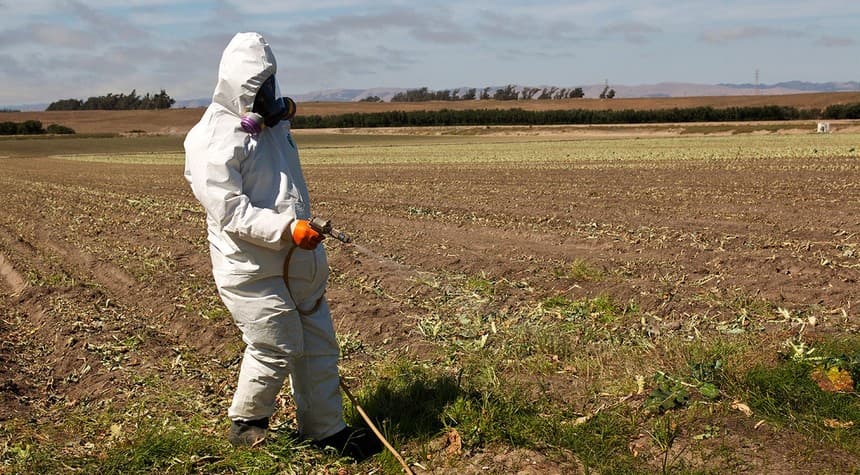
The original farm bill language would have provided legal protections to pesticide manufacturers, effectively creating a liability shield that critics argued would have made it nearly impossible for affected parties to seek recourse through the courts. Supporters of the provision contended it was necessary to protect American agriculture from frivolous lawsuits that could cripple the industry.
Meanwhile, across the Capitol complex, HHS Secretary Robert F. Kennedy Jr. faced his own gauntlet, enduring intense questioning from Democratic lawmakers during a House hearing. The dual developments underscore the contentious nature of health and agriculture policy in the current political climate.
The farm bill vote reveals something fundamental about the current state of the Republican Party. When nearly half of GOP lawmakers vote one way and slightly more than half vote another on a significant policy matter, it reflects a party grappling with competing visions of what conservatism means in practice.
The question now becomes whether this represents an isolated incident or the beginning of a broader realignment within Republican ranks. The MAHA movement has demonstrated it can mobilize grassroots support and translate that into legislative pressure. Whether party leadership will adapt to this new reality or attempt to reassert traditional hierarchies remains to be seen.
What is certain is that the farm bill, a typically bipartisan piece of legislation that sets the nation's agricultural and nutrition policy, has become yet another battleground in the ongoing debate about corporate accountability, public health, and the proper role of government regulation. The final passage of this legislation, now stripped of its pesticide liability protections, will be worth watching closely in the days ahead.
Related: Minneapolis Childcare Centers Face Federal Investigation Over Billing Fraud