
In a move reminiscent of Cold War chess plays, Russia’s parliament has approved a military cooperation agreement with Cuba, deepening concerns about Moscow’s expanding influence in the Western Hemisphere. Like a familiar tune played in a different key, this development echoes historical tensions while writing a new chapter in modern geopolitical strategy.
The agreement, passed by Russia’s upper chamber, provides a formal framework for what military experts say has been an existing partnership between Moscow and Havana. This isn’t just paperwork shuffling in the halls of power – it’s a calculated move that could allow Russia to position military assets mere miles from American shores.
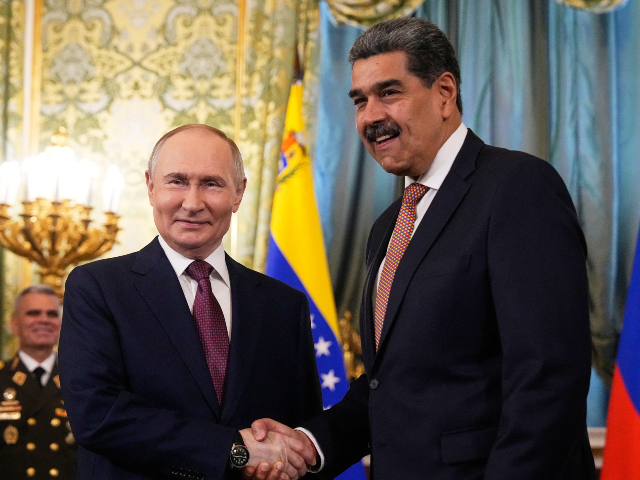
Meanwhile, Venezuelan leader Nicolás Maduro has announced his own “strategic partnership” with Russia, creating what some might call a concerning constellation of anti-American alignment in the Caribbean region.
The timing of these developments carries particular weight. These agreements come as Ukrainian forces continue to report the presence of Cuban fighters in Russian ranks. In a twist that would be almost comedic if it weren’t so serious, Ukrainian forces recently captured a Cuban musician who claims he was duped into fighting, having signed up for what he thought was construction work.
But here’s where the rubber meets the road: Ukrainian military intelligence estimates that approximately 20,000 Cuban nationals are now fighting for Russia. That’s not a handful of misguided individuals – that’s an army.
Speaking from years of covering international conflicts, I can tell you that these numbers represent more than just statistics. They represent a significant shift in how modern warfare is being conducted, with nations using proxy fighters while maintaining official deniability.
Russian military analyst Alexander Stepanov frames this new agreement as a response to American support for Ukraine, particularly regarding potential Tomahawk missile transfers. “This allows us to deploy virtually any offensive systems on Cuban territory,” he stated, in what some might call a none-too-subtle warning to Washington.
The agreement falls just short of the mutual defense treaty Russia signed with North Korea earlier this year – another piece in what appears to be a growing mosaic of anti-Western military alliances.
For those who remember the Cuban Missile Crisis, this development carries particular resonance. While the circumstances differ, the strategic implications of Russian military presence in Cuba remain as relevant today as they were six decades ago.
As this story continues to unfold, one thing remains clear: the chess pieces of global power are being rearranged, and the Western Hemisphere is very much in play. And that’s the way it is.