New DHS Secretary Considers Ending Customs Processing in Sanctuary Cities
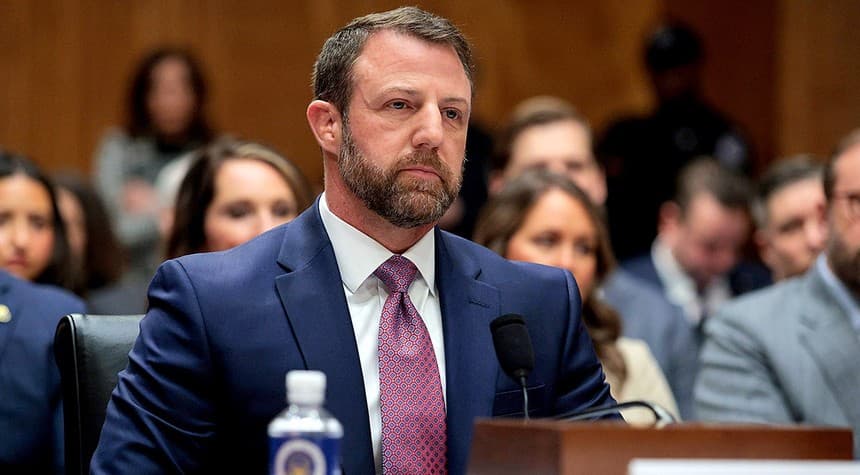
The new sheriff at the Department of Homeland Security is asking questions that should have been asked years ago, and some folks in blue-state America are not going to like the answers.
Secretary Markwayne Mullin, in his first interview since taking the helm at DHS, has put sanctuary cities on notice with a proposal that cuts right to the heart of a glaring contradiction in American immigration policy. If a city refuses to cooperate with federal immigration enforcement, Mullin asks, why should the federal government continue operating customs facilities that process international travelers into those very same cities?
It is a fair question, and one that exposes the absurdity of the current arrangement.
"If they're a sanctuary city, should they really be processing customs into their city?" Mullin posed during his appearance on national television Monday evening. "If they're a sanctuary city and they're receiving international flights, and we're asking them to partner with us at the airport, but once they walk out of the airport, they're not going to enforce immigration policy — maybe we need to have a really hard look at that."
The logic is straightforward enough that even the most ardent open-borders advocate would struggle to dismiss it outright. The federal government stations customs officers at major international airports to screen incoming passengers and enforce immigration law. Yet in sanctuary jurisdictions, local authorities actively obstruct federal immigration enforcement the moment those same travelers step outside the airport terminal.
This creates a peculiar situation where federal agents are expected to process international arrivals with one hand while local officials tie the other hand behind their backs. It is cooperation in name only, a charade that serves neither public safety nor the rule of law.
Mullin's proposal represents a fundamental shift in how DHS approaches sanctuary jurisdictions. Previous administrations have largely accepted this arrangement as an unfortunate reality, perhaps hoping that gentle persuasion might eventually bring sanctuary cities back into compliance with federal law. That approach has failed spectacularly.
The new secretary appears ready to deploy a different strategy, one that leverages federal authority in ways that might finally get the attention of local officials who have spent years thumbing their noses at immigration enforcement.
Major international airports in cities like New York, Los Angeles, San Francisco, and Chicago process millions of international travelers annually. These customs operations represent significant federal investments in infrastructure, personnel, and resources. Sanctuary policies in these cities create zones where immigration law effectively ceases to exist the moment someone leaves federal property.
The practical implications of Mullin's proposal remain unclear. Would international flights be redirected to airports in cooperating jurisdictions? Would customs processing be scaled back or eliminated entirely at certain facilities? These details will matter greatly as this policy discussion moves forward.
What is clear is that the new administration at DHS intends to challenge the comfortable arrangement that has allowed sanctuary cities to have it both ways for far too long. They have enjoyed the economic benefits and international connectivity that come with major customs facilities while simultaneously refusing to assist with immigration enforcement.
That free ride may be coming to an end. Sometimes the most effective way to enforce the law is to stop enabling those who break it.
Related: GOP Readies Budget Maneuver to Advance Agenda Amid DHS Funding Impasse