Nexstar Secures Federal Blessing for $6.2 Billion Tegna Acquisition
The story unfolding in Washington carries the unmistakable fingerprints of an administration determined to reshape the media landscape, for better or worse depending on where you sit.
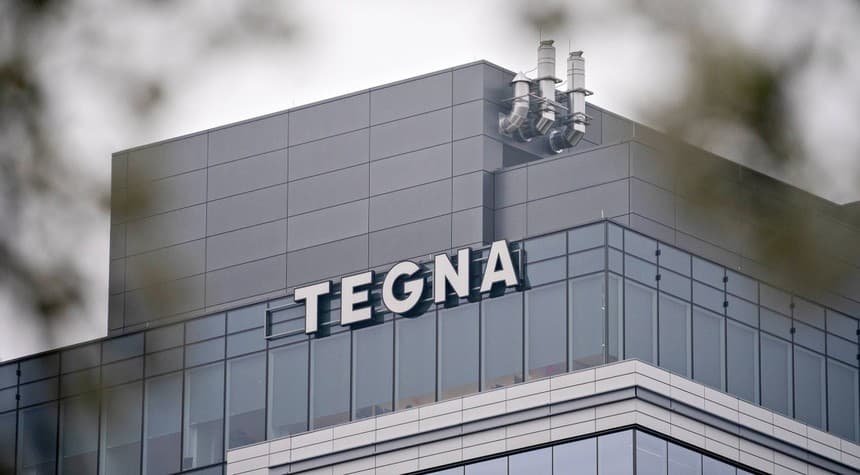
The Federal Communications Commission has given its blessing to broadcast giant Nexstar's $6.2 billion acquisition of rival Tegna, a deal that would create the largest operator of local television stations this country has ever seen. The decision came Thursday, and it required some regulatory gymnastics that deserve scrutiny.
FCC Chairman Brendan Carr waived a longstanding rule that prevents any single company from owning television stations reaching more than 39% of American households. The combined Nexstar-Tegna entity would reach at least 60% of the nation. That is not a minor adjustment. That is driving a truck through regulatory guardrails that have existed for decades.
Carr defended the waiver as consistent with FCC authorities and claimed it would promote competition, localism, and diversity. Those are the right words, but whether they match the reality remains an open question worth asking.
The timing tells its own story. Less than 24 hours before the FCC announcement, attorneys general from eight states, including California and New York, filed a lawsuit seeking to block the merger on antitrust grounds. These state officials see something fundamentally troubling in this consolidation, and their concerns should not be dismissed lightly.
Nexstar chief executive Perry Sook praised the decision and thanked President Trump, Chairman Carr, and the Department of Justice for recognizing what he called the dynamic forces shaping the media landscape. Sook argued the transaction is essential to sustaining strong local journalism in the communities these stations serve.
That argument deserves examination. History has shown us that media consolidation often promises stronger local journalism but frequently delivers cost-cutting, staff reductions, and cookie-cutter content produced far from the communities being served. Whether Nexstar proves different remains to be seen.
Anna Gomez, the lone Democrat on the FCC, did not mince words in her dissent. She characterized the approval process as occurring behind closed doors with no open process, no full Commission vote, and no transparency for the consumers and communities who will bear the consequences. Her criticism raises fundamental questions about how decisions of this magnitude should be made in a democracy.
The broader context matters here. Sook acknowledged in August that the Trump administration's deregulatory policies gave station owners a better shot at competing in what he called a fragmented and rapidly evolving marketplace. The initiatives being pursued, he said, would help local broadcasters level the playing field against Big Tech and legacy media companies.
The National Association of Broadcasters celebrated the waiver as a meaningful sign that the Commission understands the urgent need for ownership reform. They consider the 39% cap outdated.
But outdated according to whom? The rule existed for reasons rooted in preventing excessive media concentration and preserving diverse voices across American communities. Whether those concerns have evaporated in the digital age or remain as relevant as ever is a debate this decision has not settled, merely sidestepped.
What happens next will tell us much about the direction of media ownership in America and whether consolidation truly serves the public interest or merely corporate balance sheets.
Related: Maduro Claims Poverty While Facing Drug Trafficking Charges in New York