
Nvidia and AMD, two of the world’s leading semiconductor companies, have reportedly settled on a landmark agreement with the U.S. government. They’ve agreed to contribute 15% of their chip sales revenue from China under this deal, which facilitates the export licenses for key semiconductor products.
Bernstein analysts project that Nvidia could sell around 1.5 million H20 units in China by 2025, generating close to $23 billion. As a result, the U.S. government’s share could cross $3 billion. This novel agreement, confirmed by a U.S. official to the Financial Times, applies to Nvidia’s H20 artificial intelligence chips and AMD’s MI308 processors. These chips are specifically designed for the Chinese market, and the licenses were granted last week following a meeting between Nvidia CEO Jensen Huang and President Donald Trump at the White House.
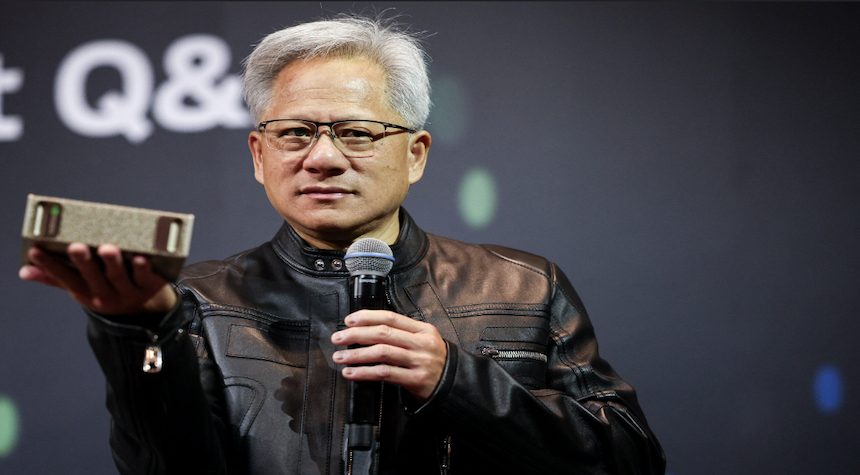
Previously, Nvidia halted H20 shipments after the Trump administration banned their export in April, citing national security risks. This decision was reversed by President Trump in June, but the Bureau of Industry and Security delayed issuing licenses until last Friday, two days after Huang met with President Trump.
This move has drawn criticism from national security experts, who caution that these chips could bolster China’s military capabilities. Nvidia, however, dismissed these claims as “misguided.” This development follows earlier reports that the Trump administration is seeking to alleviate trade tensions ahead of potential talks with Chinese President Xi Jinping, even as Beijing is pressuring Washington to ease restrictions on other advanced chip components.
While it remains uncertain how Washington plans to utilize these funds, this agreement represents a first in U.S. export control policy. Analysts interpret this as part of a wider Trump strategy of using trade and regulatory authority to compel companies into making financial or operational concessions that boost U.S. revenue and jobs.