The political temperature in Washington just got hotter, and the clash lines are drawn as clear as a Texas summer sky.
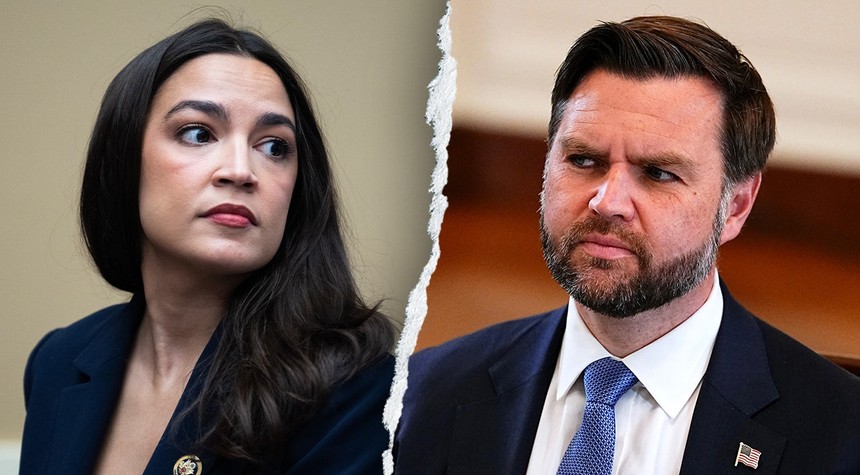
Representative Alexandria Ocasio-Cortez of New York launched a blistering accusation against Vice President JD Vance on Friday, claiming he endorses deadly force in immigration enforcement following this week’s fatal shooting in Minneapolis. The incident has ignited a firestorm that threatens to consume whatever fragile consensus might have existed on immigration policy.
“I understand that Vice President Vance believes that shooting a young mother of three in the face three times is an acceptable America that he wants to live in, and I do not,” the four-term congresswoman declared to reporters on Capitol Hill. Her words carried the weight of moral certainty that has become her trademark in the progressive wing of the Democratic Party.
The shooting in question occurred Wednesday when 37-year-old Renee Nicole Good confronted Immigration and Customs Enforcement agents from inside her vehicle in Minneapolis. The circumstances surrounding the confrontation remain under investigation, but the incident has already become a political lightning rod.
What we know is this: a woman is dead, questions are mounting, and the political establishment is choosing sides faster than you can say “due process.”
Ocasio-Cortez’s statement represents more than just another salvo in the ongoing immigration debate. It is a direct challenge to the administration’s enforcement policies and a test of how far the rhetoric can stretch before it snaps under its own weight.
The Vice President’s office has not issued a response to the congresswoman’s characterization of his position, leaving observers to wonder whether silence represents strategy or restraint.
Meanwhile, other political battles are brewing across the capital. Senator Josh Hawley has broken ranks with the administration on Venezuela policy, Treasury Secretary Scott Bessent is pointing fingers at Minnesota Governor Tim Walz over fraud funds allegedly reaching terrorist organizations, and Senator Chuck Grassley continues pressing the FBI about changes to the Trump investigation code name.
The Minnesota shooting sits at the intersection of immigration enforcement, use of force policies, and the broader question of how America balances security with civil liberties. These are not new questions, but they are urgent ones that demand answers beyond political point-scoring.
The facts matter here, and they deserve a thorough airing. What exactly happened in that confrontation? Were protocols followed? Was deadly force justified? These questions require investigation, not immediate political weaponization.
Yet in today’s Washington, every tragedy becomes a talking point, every incident a referendum on ideology. The speed at which this shooting transformed from a local law enforcement matter into a national political controversy tells you everything you need to know about where we are as a country.
The American people deserve better than inflammatory accusations before investigations conclude. They deserve leaders who can distinguish between legitimate policy criticism and personal character attacks. They deserve a Congress that investigates before it indicts, that seeks truth before it seeks headlines.
As this story develops, the challenge for responsible observers is to demand accountability without prejudging outcomes, to insist on transparency without surrendering to partisan warfare. That is a narrow path to walk, but it is the only one that leads to justice.
Related: Federal Agents Face Rising Threats as Anti-ICE Movement Turns Increasingly Violent