
The streets of Minneapolis have become home to an unprecedented federal presence, and the situation raises questions that deserve straight answers from Washington.
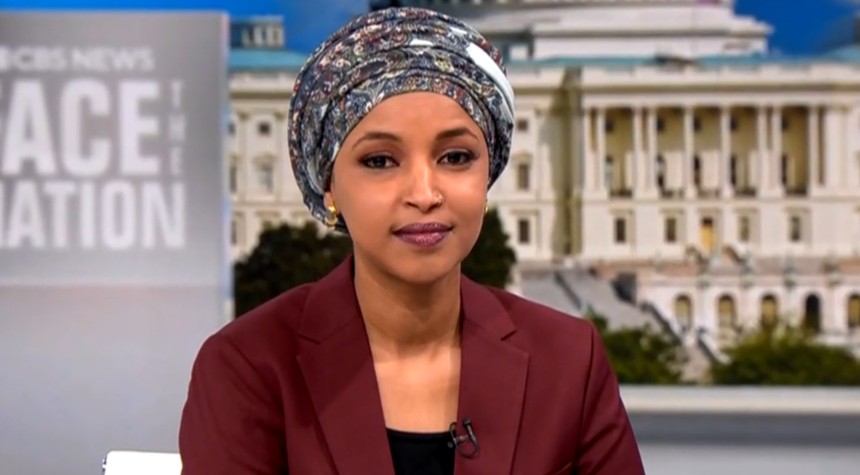
Representative Ilhan Omar has stepped forward to challenge what she calls “confusion and chaos” stemming from the Trump administration’s deployment of more than 2,400 Department of Homeland Security agents to the Minneapolis area. That number exceeds twice the local police force, making it one of the largest concentrations of federal agents in any American city in recent memory.
The congresswoman minced no words in her assessment. “It’s not necessary in a moment when we are trying to deal with a serious problem that needs serious people to be able to address it,” Omar stated during a recent interview.
The administration’s position tells a different story. Federal officials insist this massive deployment serves dual purposes: conducting immigration enforcement operations and investigating what prosecutors describe as a fraud scandal of staggering proportions. The estimated cost of this scheme could exceed nine billion dollars, according to federal prosecutors.
That figure bears repeating. Nine billion dollars. If accurate, this represents one of the most significant fraud cases in recent American history, and it has placed Minnesota’s Somali immigrant community squarely in the crosshairs of federal investigators.
The administration has made clear its intention to send hundreds more agents to the region, suggesting this operation remains far from complete. This escalation comes as the federal government pursues what it characterizes as a complex web of fraudulent activity that has been developing over an extended period.
The tension here runs deeper than statistics and deployment numbers. This situation presents a collision between federal law enforcement priorities and concerns about community relations, immigration policy, and the methods employed to combat financial crimes.
Omar’s criticism highlights a fundamental disagreement about approach and proportionality. Her characterization of the federal response as creating “confusion and chaos” suggests she believes the administration’s tactics may be counterproductive, potentially undermining efforts to address legitimate criminal activity while disrupting an entire community.
The scope of the federal presence cannot be overstated. When federal agents outnumber local police officers by a ratio of more than two to one, it fundamentally changes the character of law enforcement in a community. Residents encounter federal badges where they once saw familiar local officers. The implications for daily life, for trust between communities and authorities, and for the basic fabric of civic life deserve serious consideration.
The fraud investigation itself demands attention. If federal prosecutors have their facts straight, and nine billion dollars truly hangs in the balance, then serious investigative work must proceed. The American taxpayer has a stake in seeing justice served and stolen funds recovered.
Yet the manner of that investigation, the scale of the federal deployment, and the impact on law-abiding members of the Somali community raise legitimate questions about whether this represents measured law enforcement or something more troubling.
As this situation continues to unfold, the nation watches Minneapolis. The balance between vigorous fraud prosecution and respect for community integrity will be tested in the days ahead. Both the administration and its critics would do well to remember that justice delayed may be justice denied, but justice administered without wisdom or proportion serves no one well.
Related: Adam Schwarze Enters Senate Race Amid Minneapolis Unrest and Fraud Allegations