
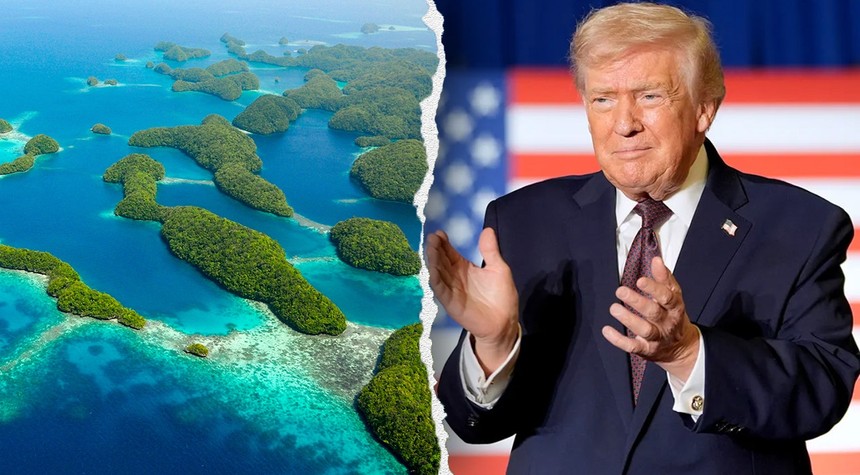
The wheels of the Trump administration’s immigration enforcement machinery continue to turn, and this time they have rolled all the way across the Pacific Ocean to the shores of Palau, a tiny island nation most Americans would be hard-pressed to find on a map.
Make no mistake about what is happening here. The United States has struck a deal with Palau to accept up to 75 deportees in exchange for $7.5 million in foreign aid. That comes out to $100,000 per person, if you are keeping score at home.
The agreement, announced Wednesday by Palau’s President Surangel Whipps Jr. and the U.S. Embassy in Koror, allows what officials are calling “third-country nationals” who have never been charged with a crime to live and work in this Pacific nation of approximately 18,000 souls. These are not Palauan citizens being returned home, mind you, but rather individuals from other countries entirely who found themselves in the United States without proper documentation.
The U.S. Embassy in Koror made the administration’s position crystal clear in its statement: “The United States deeply appreciates Palau’s cooperation in enforcing U.S. immigration laws, which remains a top priority for the Trump administration.”
This arrangement raises questions that deserve answers. What happens when you deposit 75 foreign nationals into a country with a population smaller than many American suburbs? Palau’s entire population could fit comfortably inside a mid-sized college football stadium. Adding 75 people represents a nearly half-percent increase in the nation’s population overnight.
The deal also illuminates the creative, some might say unprecedented, lengths to which this administration will go to address what it sees as an immigration crisis. When traditional deportation pathways prove difficult or impossible because home countries refuse to accept returnees, the solution apparently involves finding willing third parties halfway around the world.
The $7.5 million payment, described officially as funds “to address the needs of relevant Palau public services,” amounts to a substantial sum for a nation of Palau’s size. The money will presumably help the island nation manage the infrastructure, services, and integration challenges that come with such an influx.
For Palau, this represents both opportunity and burden. The financial injection could prove meaningful for public services in a small nation. Yet the social fabric of a tight-knit island community will inevitably be tested by the arrival of dozens of individuals from different cultures, speaking different languages, with no prior connection to Palauan society.
The broader implications extend beyond this single agreement. If Palau proves willing to accept deportees for a price, other small nations facing economic challenges might see a business opportunity. The precedent being set here could reshape how the United States approaches immigration enforcement when dealing with individuals whose home countries will not take them back.
This is immigration policy meeting foreign policy meeting checkbook diplomacy, all rolled into one tidy Pacific package. Whether it represents innovative problem-solving or a troubling new chapter in how America handles those it wishes to remove from its shores depends largely on where you sit on the political spectrum.
What cannot be disputed is this: the Trump administration has found a willing partner in Palau, and 75 people will soon be calling a small Pacific island home, whether they ever imagined such a fate or not.
Related: Migrant Truckers Sue California After Losing Commercial Driving Licenses