Pam Bondi Returns to Capitol Hill for Closed-Door Questioning on Epstein Files
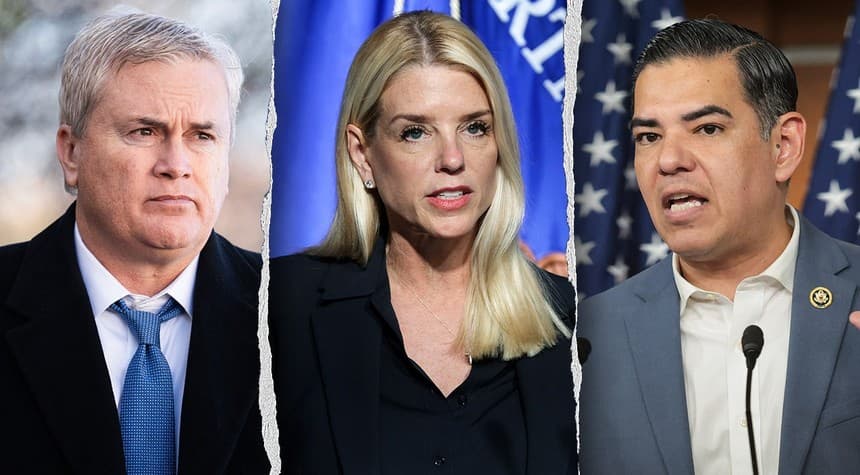
Courage, as they say, is not the absence of fear but rather the willingness to face it head-on. Former Attorney General Pam Bondi demonstrated that principle Friday when she voluntarily returned to Capitol Hill to answer questions about one of the most controversial episodes of her brief tenure at the Justice Department.
The House Oversight Committee's closed-door interview centers on the handling of files related to Jeffrey Epstein, the convicted sex offender whose connections to powerful figures have sparked endless speculation and legitimate concerns about justice delayed and denied. This is not merely political theater. This is about accountability, transparency, and whether the American people can trust their institutions to pursue truth wherever it leads.
Bondi's appearance follows a subpoena threat from both Democrats and a handful of Republicans on the committee, who warned they would recommend civil contempt charges if she refused to comply. The Trump administration initially resisted, arguing that Bondi should not have to testify now that she has departed from her official role. But resistance, in this case, would have only fueled more questions.
The interview format itself has become a point of contention. While Bondi will not be testifying under oath in the traditional sense, federal law still prohibits making false statements to Congress. The distinction may seem technical, but it matters to those who believe this investigation demands the full weight of sworn testimony before cameras and the American public.
Representative Melanie Stansbury captured the frustration many feel when she insisted that Bondi must testify under oath, on camera, for public consumption. Transparency, after all, is not just a buzzword. It is the oxygen that keeps democracy alive.
The controversy traces back to March, when Bondi and then-Deputy Attorney General Todd Blanche briefed lawmakers on the Epstein files in what quickly devolved into a partisan fracas. Democrats walked out of that heated session, and the questions only multiplied from there. What exactly did those files contain? Why the secrecy? And most importantly, was justice served or merely managed?
Even some Republicans have voiced concerns. Representatives Nancy Mace and others have not shied away from demanding answers, proving that when it comes to potential cover-ups involving powerful predators, party lines should dissolve in favor of basic decency and the rule of law.
The timing of this interview, scheduled during Congress' Memorial Day recess, raises its own set of questions about who will attend and whether this represents a genuine effort at oversight or merely checking a procedural box. Some lawmakers may skip the session entirely, which would be unfortunate given the gravity of what is at stake.
A transcript of the interview may eventually become public, though the details and timing remain uncertain. That document, when and if it surfaces, will be scrutinized line by line by those seeking answers about whether the Justice Department under Bondi's watch handled the Epstein matter with appropriate vigor or whether political considerations influenced decisions that should have been driven solely by facts and law.
The Epstein case represents more than just one man's crimes. It has become a symbol of a two-tiered justice system where the powerful play by different rules. Whether Bondi's testimony will provide clarity or simply raise more questions remains to be seen. But her willingness to appear, voluntary or not, represents at least a step toward the accountability the American people deserve.
Related: Federal Judge Declines to Block Trump Mail Ballot Executive Order