The White House finds itself in the crosshairs of congressional scrutiny after confirming that American military forces conducted not one but two strikes against an alleged drug smuggling vessel in Caribbean waters this past September.
Press Secretary Karoline Leavitt stood firm Monday in defending the administration’s actions, characterizing the September 2 operation as a justified response to what she termed “narco-terrorists” threatening American shores. The strikes, she explained, fall squarely within the president’s authority following his designation of these drug trafficking organizations as foreign terrorist entities.
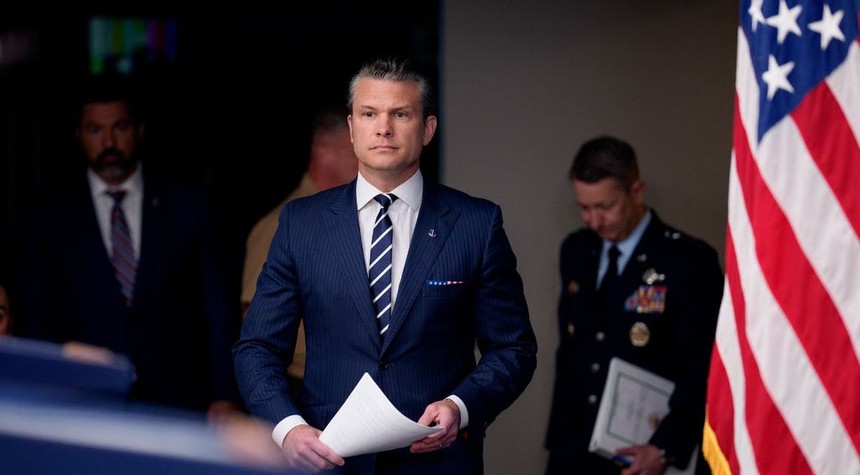
The controversy erupted after reports surfaced suggesting that Defense Secretary Pete Hegseth had verbally ordered personnel to ensure no survivors remained aboard the targeted vessel. Leavitt pushed back hard against that characterization, telling reporters she would “reject that the secretary of War ever said that.”
What emerges from the fog of conflicting accounts is a picture of an operation that required two separate military strikes to neutralize the threat. The White House maintains the initial strike was conducted in self-defense in international waters, fully compliant with the laws of armed conflict. When questions arose about why a second strike proved necessary, Leavitt declined to specify whether survivors from the first attack prompted the follow-up engagement.
The chain of command presents its own complications. While Hegseth authorized the strikes, Admiral Frank “Mitch” Bradley, then serving as commander of Joint Special Operations Command, actually ordered and directed the operation. Leavitt emphasized that Bradley acted “well within his authority and the law, directing the engagement to ensure the boat was destroyed and the threat to the United States of America was eliminated.”
This distinction matters considerably as lawmakers begin demanding additional oversight. The Pentagon itself has pushed back against some details in the initial reporting, though the White House confirmation of a second strike lends credence to concerns about the operation’s execution.
The broader context cannot be ignored. The Trump administration has made combating drug trafficking a cornerstone of its national security agenda, treating cartels and smuggling operations with the same seriousness previously reserved for traditional terrorist organizations. This approach represents a significant shift in how America wages war against threats to the homeland.
Leavitt made the administration’s position crystal clear when she stated that the president “has made it quite clear that if narco-terrorists, again, are trafficking illegal drugs toward the United States, he has the authority to kill them.”
That declaration raises profound questions about rules of engagement, oversight mechanisms, and the legal framework governing military operations against non-state actors engaged in criminal enterprise rather than traditional warfare. The administration argues these distinctions no longer matter when fentanyl and other deadly substances flow across borders with the destructive power of any conventional weapon.
As congressional committees prepare to examine the September incident more closely, the fundamental tension becomes apparent. The executive branch asserts broad authority to protect American citizens from drug trafficking organizations. Lawmakers, regardless of party affiliation, want assurances that military force is being applied judiciously and within established legal boundaries.
The American people deserve transparency about how their military conducts operations, even against those who traffic in death and misery. The coming weeks will test whether this administration can maintain its aggressive posture against drug smugglers while satisfying legitimate demands for accountability and oversight.
Related: Renovation Crew Uncovers Cache of Live Military Grenades in Washington State Home