President Signals Possible Pakistan Trip to Close Nuclear Agreement With Iran
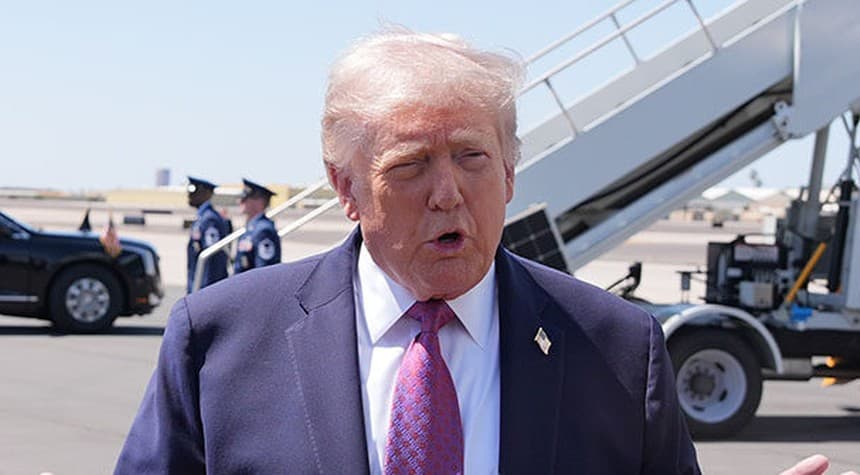
The question hanging over Washington this weekend is not whether a deal with Iran will happen, but when. President Trump made clear Friday that negotiations have reached a critical juncture, telling reporters he expects an agreement "in the next day or two."
This is the kind of high-stakes diplomacy that can reshape the Middle East for a generation, and the American people deserve to understand what is actually on the table.
Speaking in multiple interviews Friday, the President painted a picture of negotiations that have moved from stalemate to breakthrough in a matter of days. The Iranians, he said, are ready to deal. More than that, they want to deal. The question now is whether both sides can bridge the remaining gaps before momentum stalls.
Trump went further, indicating he may personally travel to Islamabad if that is what it takes to close the agreement. When asked directly about such a trip, his response was characteristically direct: "I may." No final decision has been made, but the signal is unmistakable. This President is willing to put himself in the room where it happens.
Pakistan has emerged as the indispensable broker in these talks, hosting marathon negotiations last weekend that stretched more than 21 hours before ending without resolution. Vice President JD Vance led the American delegation and departed with language that sounded final, describing what Washington had presented as its "final and best offer." That was then.
By Friday, the landscape had shifted. Trump indicated that Iran has now "agreed to everything," including a coordinated effort to recover Tehran's stockpile of enriched uranium. The details matter here. Under the arrangement being discussed, American and Iranian personnel would work together to secure the material and transport it out of Iran, ultimately bringing it to the United States.
This represents a fundamental departure from previous frameworks. Trump made clear the deal under consideration would not be time-limited. Iran would halt uranium enrichment indefinitely, not for five years or ten years or any fixed period. "No years, unlimited," he said when pressed on duration.
The President also moved quickly Friday to dismiss reports that the United States might release frozen Iranian funds as part of the agreement. One report suggested a potential $20 billion arrangement tied to Iran surrendering its uranium stockpile. Trump rejected that outright, saying no funds would be exchanged. The White House backed him up with a formal statement reinforcing that position.
What emerges from these developments is a negotiation that has gained serious momentum in recent days. Whether that momentum can be sustained through the final stage remains the central question. Trump's willingness to travel to Pakistan suggests he understands the stakes and is prepared to invest personal capital to get this done.
The American people have watched previous administrations struggle with Iran for decades. They have seen promises made and broken, frameworks negotiated and abandoned. What they have not seen is an American president willing to engage this directly at this stage of negotiations.
The next 48 hours will tell us whether this deal is real or whether it joins the long list of Middle East peace efforts that looked promising before collapsing. Trump clearly believes it is real, and he is betting his credibility on that belief.
Related: Democratic Representative Pushes Back Against Claims Trump Will Suspend Midterms