Courage, as they say, is a rare commodity in Washington these days. But when a politician shows independence from party orthodoxy, the knives come out quickly.
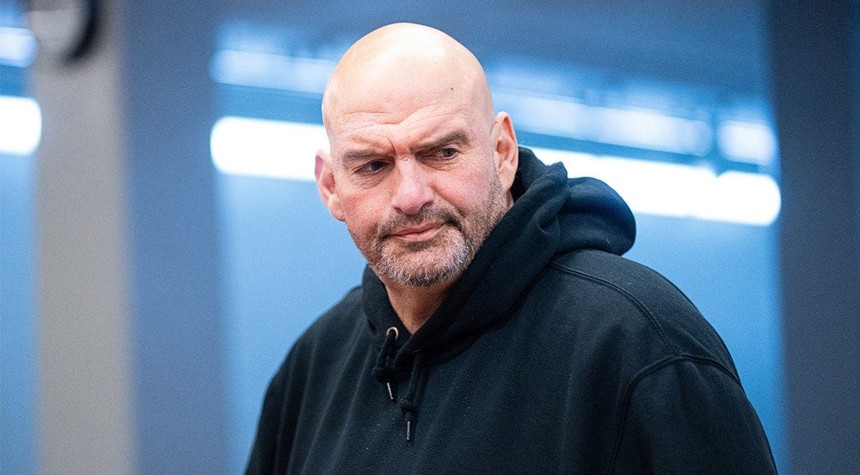
Pennsylvania Senator John Fetterman finds himself in an increasingly uncomfortable position, facing a revolt from the very Democrats who once championed his rise to power. The criticism has grown sharp enough that one House Democrat publicly stated she has better working relationships with Republicans than with her own party’s senator.
Representative Chrissy Houlahan of Chester County delivered that pointed assessment at a recent event in Cumberland County, where she appeared alongside Representative Alexandria Ocasio-Cortez and other progressive figures. Houlahan specifically contrasted Fetterman unfavorably with Republican Senator David McCormick, saying she has “more success in working with the one on the R side of the aisle than I do with the D side of the aisle.”
The backlash against Fetterman represents a remarkable political reversal. Not long ago, this man was the progressive movement’s golden child, trading endorsements with Vermont’s Bernie Sanders and riding a wave of left-wing enthusiasm into the Senate. Now he faces calls from within his own party to step down.
What changed? The answer lies in Fetterman’s willingness to break with Democratic positions on several high-profile issues. His steadfast support for Israel has rankled progressives who have grown increasingly critical of the Jewish state. His backing of Homeland Security Secretary Markwayne Mullin raised eyebrows among Democrats who expected lockstep opposition to certain appointments. Perhaps most surprisingly, Fetterman has expressed openness to voter identification requirements, a position that sends many Democrats into fits of apoplexy.
This growing friction between Fetterman and his progressive base raises fundamental questions about the Democratic Party’s tolerance for dissent within its ranks. The party that once prided itself on being a “big tent” now appears increasingly hostile to members who stray from approved positions.
The irony should not be lost on anyone paying attention. Democrats spent years criticizing Republicans for demanding ideological purity and punishing those who broke ranks. Yet here we have a Democratic senator facing intense pressure and public rebuke from his colleagues simply for exercising independent judgment on policy matters.
Whether Fetterman’s independence represents genuine conviction or political calculation remains an open question. What cannot be disputed is that his willingness to chart his own course has made him a pariah among the very progressives who once celebrated him as one of their own.
The situation in Pennsylvania may serve as a bellwether for the Democratic Party’s direction. Will the party make room for members who occasionally dissent from progressive orthodoxy, or will it continue tightening its ideological boundaries? Fetterman’s fate may provide the answer.
For now, the senator appears undeterred by the criticism, continuing to stake out positions that defy easy categorization. Whether that independence serves him well in the long run depends largely on Pennsylvania voters, who will ultimately decide if they value a senator willing to think for himself over one who simply follows the party line.
The drama unfolding in Pennsylvania politics deserves close attention from anyone concerned about the health of American democracy and the role of independent thinking in our political system.
Related: Federal Prosecutors Block Maduro’s Access to Government Funds for Legal Defense