The United States Senate stands on the precipice of what promises to be a lengthy and contentious debate over election integrity, one that cuts to the very heart of how Americans view the sanctity of their ballot box.
Starting Tuesday, senators will dig into the SAVE America Act, legislation that President Trump has made abundantly clear he considers essential to protecting American elections. The bill’s requirements are straightforward enough: proof of citizenship to register to vote, and a photo identification card to cast your ballot. Simple measures, Republicans argue, that most Americans already support.
Yet the path forward resembles a political minefield more than a legislative highway.
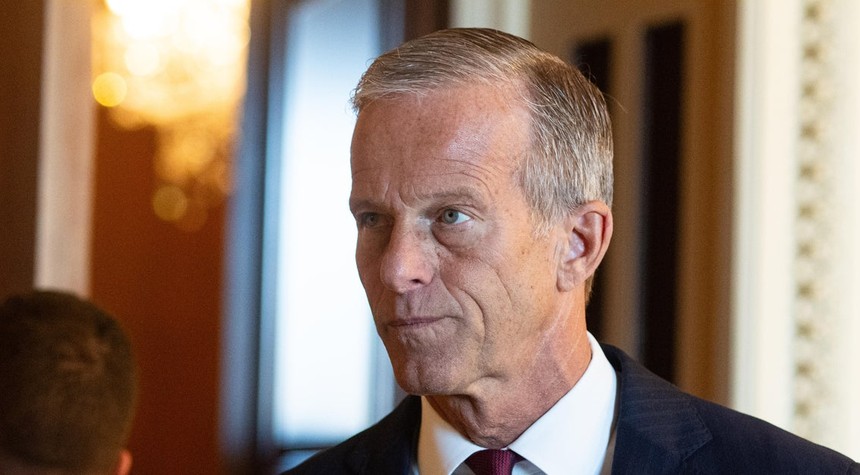
Senate Majority Leader John Thune has been forthright about the mathematics facing his caucus. Republicans lack the votes to overcome the Senate’s 60-vote filibuster threshold, a reality that has dampened hopes for quick passage but has not diminished the party’s determination to force the issue into public view.
“I can’t guarantee an outcome on this legislation, but I can guarantee that we are going to put Democrats on the record,” Thune stated last week, laying bare the strategic calculus at play. The South Dakota Republican promised a “full and robust debate” that could stretch across a week or longer, transforming the Senate floor into a stage for what amounts to a national civics lesson on voting rights and election security.
President Trump has raised the stakes considerably, threatening to withhold his signature from most other legislation until Congress delivers the SAVE America Act to his desk. This hardline stance has energized conservative activists who have championed the bill for months, while simultaneously adding pressure on Republican senators to find creative parliamentary maneuvers around the filibuster.
Republicans have characterized their proposal as common sense, drawing comparisons to the modest documentation required to obtain a library card. The simplicity of that analogy, however, belies more complex realities on the ground.
Policy experts have raised concerns about the practical implications for millions of Americans who may lack ready access to documents like passports or birth certificates. Others who have changed their names through marriage or other legal processes could face additional hurdles. These are not hypothetical concerns but real-world complications that deserve serious consideration.
The facts bear noting: noncitizen voting in federal elections is already illegal, and documented instances of such violations remain exceedingly rare. Yet public opinion polling consistently shows broad support among Americans for both voter identification and citizenship verification requirements.
This disconnect between statistical reality and public perception forms the backdrop for the coming debate. Democrats will be forced to articulate their opposition to measures that many of their own constituents support. Republicans, meanwhile, must defend legislation that critics argue could create barriers to legitimate voting.
Thune framed the debate in stark terms, suggesting that Democrats must “explain to the American people why common sense and the Democratic Party have parted ways.”
The marathon debate ahead represents more than procedural theater. It reflects fundamental disagreements about balancing election security with voting access, about addressing perceived threats versus documented problems, and about whether the cure proposed might prove worse than the disease it aims to treat.
As senators prepare to take the floor, the American people will be watching to see which arguments carry the day.
Related: Democratic Senators Stand By DHS Blockade Following Deadly Shooting by ISIS Supporter