Schumer Pushes Haiti Protection Extension as DHS Funding Battle Intensifies
The timing, as they say, tells you everything you need to know.
While the Department of Homeland Security sits shuttered over a bitter funding dispute centered on immigration enforcement, Senate Minority Leader Chuck Schumer has chosen this precise moment to fast-track legislation extending protections for more than 350,000 Haitian nationals living in the United States.
The New York Democrat moved a House-passed bill onto the Senate schedule this week that would extend Temporary Protected Status for Haitian migrants for another three years. Whether the measure reaches the floor for an actual vote remains in the hands of Senate Majority Leader John Thune, but the maneuver has already ignited a firestorm among Republican senators who see it as a glaring example of misplaced priorities.
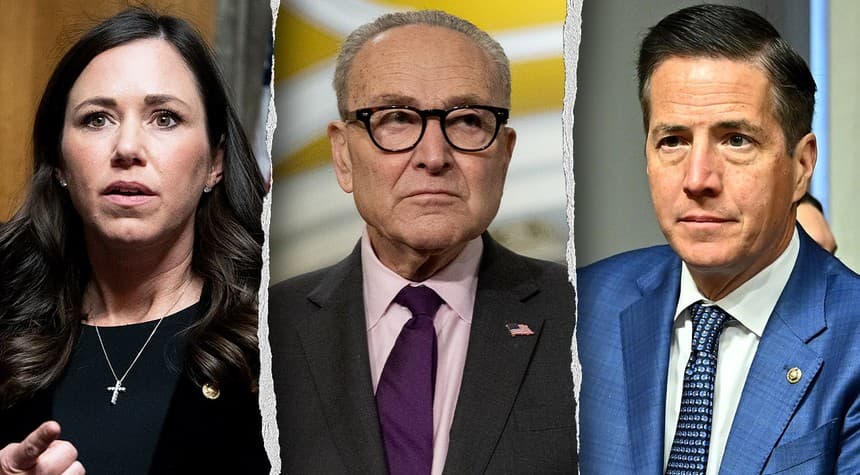
Senator Katie Britt of Alabama, who led Republican negotiations seeking a compromise to end the DHS shutdown, did not mince words about Schumer's legislative gambit.
"What about the countless Americans that have died at the hands of illegal aliens?" Britt said. "The fact that you are literally trying to defund the organization that is tasked with keeping our streets safe, our borders secure, allowing Americans to go home to their families at night. His priorities are completely and totally off."
The issue has taken on renewed urgency following a murder in Florida allegedly carried out by a Haitian immigrant, prompting sharp reactions from President Trump and intensifying the national debate over immigration enforcement.
The legislation in question cleared the House last week, but only after ten Republicans broke ranks with President Trump to join Democrats in supporting the measure. That bipartisan coalition was enough to shield the Haitian nationals from potential deportation, at least for now.
The Temporary Protected Status program allows foreign nationals from countries facing humanitarian crises or dangerous conditions to live and work in the United States temporarily without fear of deportation. Importantly, it does not provide a pathway to citizenship. The program has been a political football for years, with administrations of both parties grappling with when and how to extend or terminate these protections.
President Trump attempted to revoke Haiti's TPS designation during his previous term, but that effort remains tangled in legal challenges. The courts have so far prevented the administration from moving forward with those plans.
The current push to extend protections comes at what can only be described as an inflection point. The Department of Homeland Security remains without full funding due to disagreements over appropriations for Immigration and Customs Enforcement and Customs and Border Protection. Republicans have argued that proper funding for these agencies is essential to carrying out immigration enforcement and maintaining border security.
Senator Bernie Moreno of Ohio joined Britt in criticizing Schumer's priorities, arguing that the Democratic leader consistently places the interests of illegal immigrants above those of American citizens.
The political calculus here is not difficult to decipher. Democrats see an opportunity to secure protections for a vulnerable population while Republicans control the Senate by a narrow margin. Republicans, meanwhile, view the move as tone-deaf at best and deliberately provocative at worst, coming as it does while the agency responsible for immigration enforcement sits in budgetary limbo.
Haitian migrants became a significant political flashpoint during Trump's presidential campaign, and the issue shows no signs of fading from the national conversation. The question now is whether Majority Leader Thune will allow the bill to proceed to a floor vote, or whether it will languish as another casualty of the deep partisan divide over immigration policy.
One thing is certain: this debate is far from over, and the American people are watching closely to see which priorities their elected representatives choose to put first.
Related: Trump Threatens Iranian Infrastructure if Peace Deal Fails