Secretary Noem's Border Focus Creates Friction Within Coast Guard Ranks
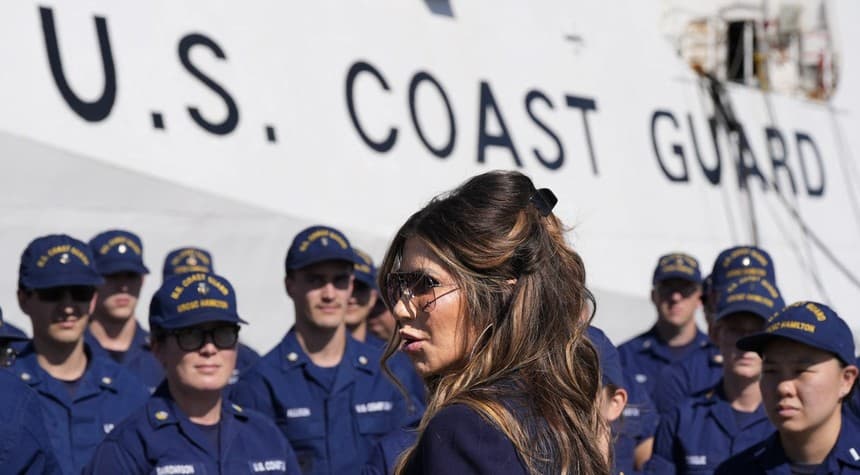
The relationship between Homeland Security Secretary Kristi Noem and senior Coast Guard officials has deteriorated significantly during her tenure, raising questions about the balance between immigration enforcement and the service's traditional lifesaving missions.
According to multiple officials within the department and the Coast Guard, tensions have been building since Noem's early days at the helm. The friction appears to stem from fundamental disagreements about how the Coast Guard, the only military branch under DHS oversight, should allocate its limited resources.
The situation presents a troubling picture. On one hand, rank-and-file Coast Guard members have responded positively to Noem's hands-on approach. She has made a point of joining operations and visiting ships, giving visibility to their work in ways previous secretaries did not. On the other hand, senior Coast Guard officials worry that this focus comes at the expense of the service's core responsibilities.
The numbers tell a sobering story. Under Noem's leadership, the Coast Guard's use of aircraft for immigrant deportations has increased tenfold. Data compiled by ICE Flight Monitor, a nonprofit organization tracking deportation flights, documents this dramatic surge. Coast Guard aviation units are feeling the strain, with one official describing the pressure as overwhelming for the branch's air wings.
Perhaps most concerning is new guidance issued to Coast Guard Air Station Sacramento this year. The orders, based on DHS priorities, now designate the transport of detained immigrants on C-27 aircraft as the station's primary mission. This represents a significant shift in priorities for an organization whose identity has long been tied to search and rescue operations.
Search and rescue missions, traditionally the Coast Guard's calling card, have been moved down the priority list. According to officials familiar with the orders, even counternarcotics efforts and training exercises now rank above lifesaving operations.
The implications of these changes extend beyond bureaucratic reshuffling. When Coast Guard resources are redirected from search and rescue to immigration enforcement, the consequences could be measured in lives. The service has built its reputation on being ready to respond when mariners face emergencies at sea.
Behind closed doors, Coast Guard officials have expressed their concerns to one another and reached out to former officials for guidance. The dissonance between Noem's priorities and the Coast Guard's traditional mission has created an environment where confrontations have become more frequent.
One incident in May illustrates the broader tensions. Corey Lewandowski, Noem's top adviser, reportedly berated Coast Guard flight staff and threatened terminations after discovering that one of the secretary's personal items, a heated blanket, had been left behind before takeoff.
This episode, while seemingly minor, reflects deeper issues about how the Coast Guard is being managed and whether its resources are being appropriately utilized. The service operates with limited aircraft and personnel, making every mission assignment a zero-sum calculation.
The Trump administration's emphasis on mass deportations has created ripple effects throughout the federal government. The Coast Guard situation represents one of the lesser-known consequences of this policy priority. As deportation quotas continue to drive decision-making at DHS, the strain on Coast Guard operations appears likely to intensify in the coming months.
The question facing policymakers is whether the current balance serves the nation's interests. The Coast Guard has multiple important missions, from border security to drug interdiction to saving lives at sea. Finding the right equilibrium among these responsibilities will require leadership that respects the service's capabilities and limitations while advancing legitimate policy goals.
Related: Former Intelligence Officer Challenges Democrat Incumbent in Critical Ohio Race