Senate Prepares War Powers Vote as Iran Military Operation Continues
The halls of the Senate will echo with a familiar debate Wednesday, one that speaks to the very heart of constitutional authority and the power to send American sons and daughters into harm's way.
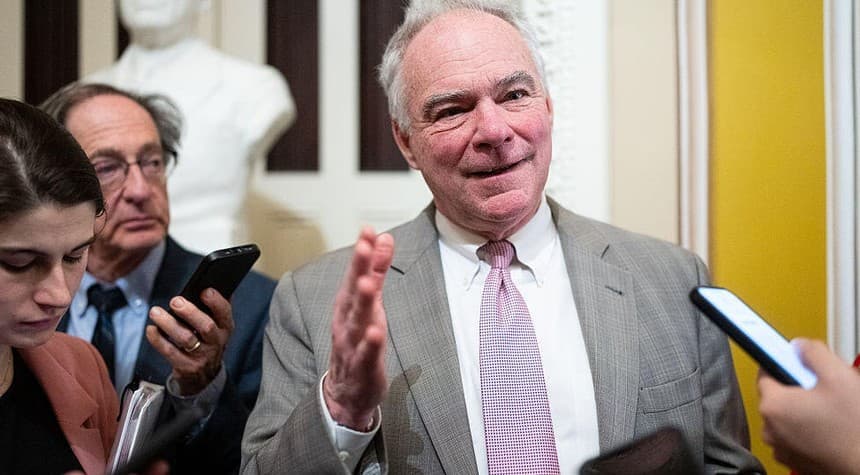
Senator Tim Kaine of Virginia is forcing his colleagues to vote on a war powers resolution that would require congressional authorization before President Trump can continue military operations against Iran. It is the second time in less than a year that Kaine has brought this matter to the floor, and the stakes have grown considerably higher since the last attempt.
The massive military operation that commenced over the weekend has transformed what might have been a procedural vote into something far more consequential. The bombs are falling, American forces are engaged, and the administration's messaging about objectives and timelines has been, to put it charitably, inconsistent.
Senate Minority Leader Chuck Schumer captured the unease felt by many when he warned of "shifting goals, different goals all the time, different answers every day." His concern about mission creep is not unfounded, given the historical tendency of limited military actions to expand beyond their original scope.
The resolution, cosponsored by Republican Senator Rand Paul of Kentucky, would direct the removal of United States Armed Forces from hostilities against Iran that lack congressional authorization. It is a straightforward assertion of legislative prerogative in matters of war, the kind of constitutional question that ought to transcend partisan lines.
Yet the mathematics of the Senate suggest otherwise. With Republicans holding 53 seats and Democratic Senator John Fetterman of Pennsylvania pledging to vote against the measure, passage appears unlikely. The resolution would need support from at least four Republicans beyond Paul to advance.
Senator Todd Young of Indiana, once considered a potential supporter, announced his opposition ahead of the vote. His reasoning reflects the tension many lawmakers face between constitutional principles and perceived national security imperatives. Young argued that limiting the president's military options at this critical moment would only embolden a dangerous regime.
The political reality is stark. Even if both chambers were to approve the resolution, the president could veto it, and Democrats lack the two-thirds majorities needed to override such action. The exercise is largely symbolic, a fact Kaine himself acknowledges.
But symbols matter in a republic. As Kaine pointedly noted, if members of Congress lack the courage to vote yes or no on matters of war, they forfeit the moral authority to send troops into combat. It is a question of accountability, of forcing elected officials to stand and be counted when American lives hang in the balance.
The president stated Monday that operations in Iran were projected to last four to five weeks, though he suggested the mission was proceeding ahead of schedule. He has not ruled out deploying ground forces, a prospect that would significantly escalate American involvement.
The shifting timelines and evolving objectives fuel the very concerns that drive efforts like Kaine's resolution. Without clear congressional authorization and oversight, military operations can drift from their stated purposes, expanding in scope and duration beyond what the American people were initially told to expect.
This vote may not change the immediate trajectory of military action in Iran, but it will establish a record. When the history of this conflict is written, Americans will know which senators stood for congressional authority in matters of war and which deferred to executive power, regardless of constitutional questions.
That record matters, perhaps now more than ever.
Related: Malliotakis Wins Supreme Court Battle Over Staten Island District Lines