
The wheels of justice turned in favor of law enforcement this week, and the implications stretch far beyond the Windy City.
A federal appeals court delivered a significant victory to the Trump administration on Thursday, lifting restrictions that had hampered immigration enforcement operations in Chicago. The ruling from the Seventh Circuit Court of Appeals represents more than just a legal win. It speaks to a fundamental question about who has the authority to enforce federal immigration law in this country.
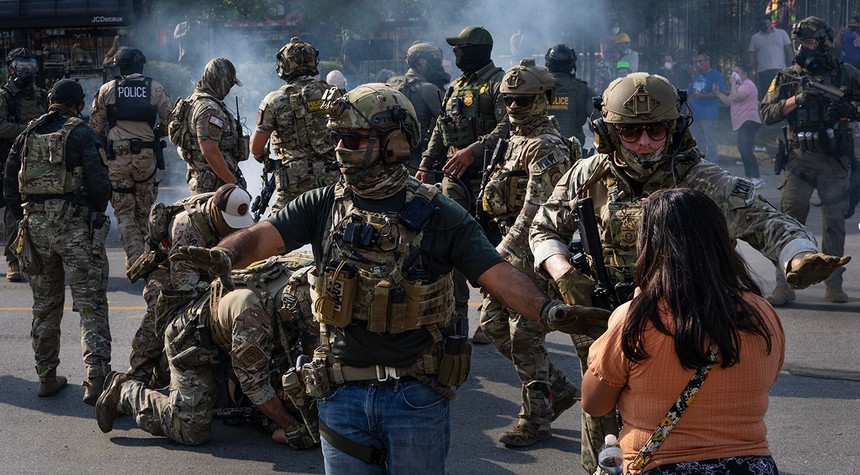
The three-judge panel voted 2-1 to vacate a lower court’s preliminary injunction that had restricted immigration agents during Operation Midway Blitz, the administration’s major enforcement operation targeting criminal aliens in Chicago. The appeals court did not mince words, stating plainly that the district court had granted an injunction that was both “overbroad” and “constitutionally suspect.”
Border czar Tom Homan has been making the rounds explaining how the administration’s approach to immigration enforcement has dramatically improved conditions at the southern border. This court ruling provides legal backing for those efforts to extend into America’s cities, where local officials have often thrown up roadblocks to federal law enforcement.
Attorney General Pam Bondi celebrated the decision as a vindication of the administration’s law-and-order agenda. The ruling, she emphasized, supports the president’s efforts to protect American citizens in places where local elected officials have refused to cooperate with federal immigration enforcement.
The case highlights a tension that has been simmering since the administration took office. On one side stand federal officials determined to enforce immigration laws as written. On the other side are local jurisdictions that have erected various barriers to that enforcement, even when it targets individuals with criminal records.
Operation Midway Blitz represents the kind of targeted enforcement operation that the administration argues is necessary in sanctuary jurisdictions. Chicago has been a flashpoint in the national debate over immigration enforcement, with city officials often at odds with federal authorities over cooperation and information sharing.
The district court’s injunction had imposed restrictions on how immigration agents could conduct their operations. The appeals court’s decision to vacate that injunction removes those handcuffs, allowing federal agents to carry out their duties without the additional constraints imposed by the lower court.
This ruling arrives at a critical moment. The administration has made immigration enforcement a centerpiece of its agenda, arguing that restoring order at the border and in American cities requires consistent application of federal law. The Seventh Circuit’s decision provides legal affirmation of that approach.
The case also underscores the role that courts play in either enabling or constraining executive branch enforcement actions. While district courts can issue injunctions that temporarily halt government operations, appellate courts serve as a check on whether those lower court orders exceed proper bounds.
For communities across the country watching this legal battle, the message is clear. Federal immigration enforcement operations will proceed, and courts are increasingly skeptical of attempts to micromanage how agents carry out their lawful duties. The administration’s attorneys have signaled they will continue pressing forward with the law-and-order agenda, emboldened by this significant legal victory.
Related: Obama Urges Virginia Voters to Back Democrat Redistricting Plan in April Ballot Measure