Supreme Court Declines Florida Parents' Case on School Gender Policy
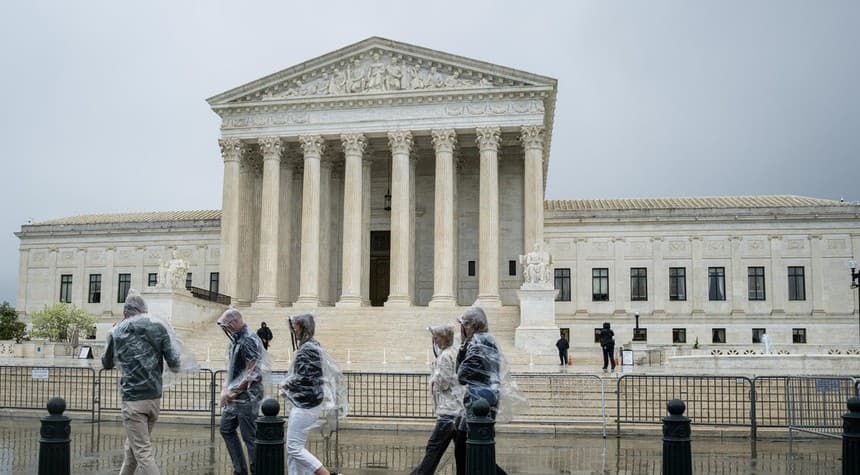
The Supreme Court's decision on Monday to turn away a Florida couple's appeal represents another chapter in what has become one of the most contentious battlegrounds in American education today.
The facts of the case are straightforward enough. A Florida couple from Leon County alleged that their parental rights were trampled when school officials kept them in the dark about their daughter's request to use a different name and pronouns at school. The school board policy in question, which has since been revised, prevented teachers and administrators from informing parents about such requests from students.
Now, the Supreme Court has declined to hear the case, leaving unresolved a fundamental question that communities across this nation are grappling with in school board meetings, state legislatures, and courtrooms.
This case sits at the intersection of two competing principles. On one side stand parents who believe they have a constitutional right to know what is happening with their children during school hours and to guide decisions about their care and upbringing. On the other side are policies crafted in recent years with the stated purpose of protecting student privacy and preventing what advocates call the "outing" of transgender students to their families.
Three justices have already signaled their concern about this issue. Samuel Alito, Clarence Thomas, and Neil Gorsuch have previously urged courts to tackle whether school districts violate parental rights when they affirm a student's gender transition without parental knowledge or consent. These justices have called this matter one of "great and growing national importance," and it is difficult to argue with that assessment.
The Supreme Court's conservative majority has shown willingness to engage with related issues. The justices blocked a California law that would have prevented school districts from requiring teachers to notify parents if their child requests different pronouns. That case continues to wind through the courts.
The legal battle in Florida emerged from procedures developed by the School Board of Leon County. These procedures reflected a broader trend in school districts nationwide, where policies have been implemented that prioritize student confidentiality over parental notification in matters related to gender identity.
The rejection of this appeal means that parents in similar situations will continue to face uncertainty about their rights and the obligations of school officials. It also means that school districts operating under similar policies will not receive clear guidance from the nation's highest court about where the constitutional lines are drawn.
What makes this issue particularly thorny is that reasonable people can disagree about how to balance these competing interests. Parents have legitimate concerns about being excluded from significant decisions affecting their children. Schools argue they have obligations to protect students who may face difficult situations at home.
But here is what should trouble everyone: when fundamental questions about the rights of parents and the authority of government institutions remain unresolved, confusion reigns. Teachers do not know what they are required to do. Parents do not know what rights they can exercise. And students are caught in the middle.
The Supreme Court will eventually need to address these questions directly. The longer the court waits, the more these disputes will proliferate in communities across America, and the more families will find themselves in conflict with the very institutions entrusted with educating their children.
Related: Federal Agents Uncover Dangerous Smuggling Rings Across Texas Border Region