
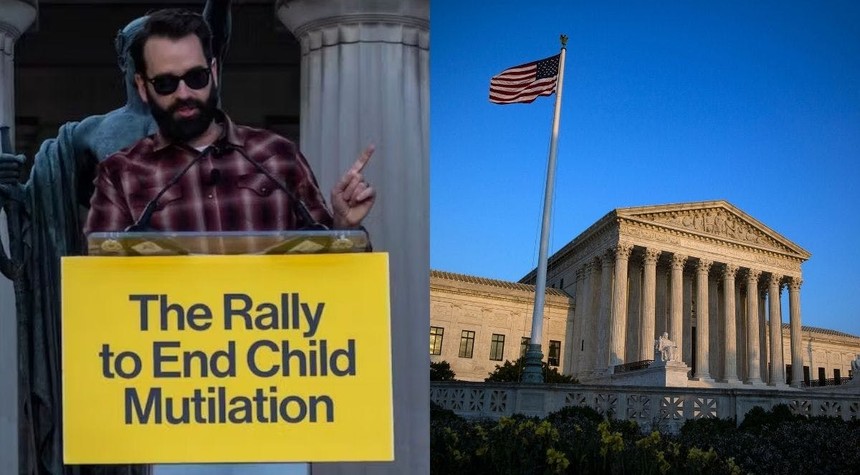
In what many consider a watershed moment for children’s medical protection, the Supreme Court has upheld Tennessee’s groundbreaking legislation safeguarding minors from gender-related medical procedures. This ruling, coming after years of heated debate, carries implications that ripple across all fifty states.
Like a steady wind sweeping across the Great Plains, the impact of this decision has strengthened the legal foundation for similar protective measures nationwide. The Tennessee law, which emerged from extensive investigations into medical practices at major institutions, specifically prohibits surgical procedures and hormone treatments related to gender transitions for minors.
The path to this landmark ruling began in Nashville, where investigative reporting unveiled concerning practices at Vanderbilt University Medical Center’s pediatric gender clinic. Documentation revealed that the facility had been performing double mastectomies on young girls and administering cross-sex hormones to children struggling with gender identity issues.
As someone who has covered American healthcare for decades, I can tell you that this story cuts straight to the heart of a fundamental question: Where do we draw the line between medical innovation and protecting our children?
The investigation exposed internal hospital videos where medical professionals discussed these procedures with surprising candor, including discussions about their financial benefits. This revelation sparked immediate action from Tennessee lawmakers, who moved swiftly to draft protective legislation.
The Supreme Court’s decision to uphold the Tennessee law represents more than just a legal victory – it’s a testament to the power of investigative journalism and civic engagement. The ruling effectively provides other states with a constitutional framework to enact similar protections.
Critics argue these laws restrict healthcare access, but supporters maintain they protect vulnerable children from irreversible medical procedures before they reach the age of informed consent. The court’s decision suggests a careful balancing of medical ethics with parental rights and child protection.
As this story continues to unfold across America’s heartland, one thing remains clear: the protection of children in medical settings has found firm legal footing, as solid as bedrock in the Tennessee hills. The Supreme Court’s ruling may well be remembered as the moment when the tide turned in this ongoing national conversation about children’s medical rights and protections.
For those who’ve watched this issue develop from courthouse steps to hospital halls, this ruling marks not an end, but a beginning – a starting point for what promises to be a continuing dialogue about how best to protect our nation’s youth while ensuring appropriate medical care remains available to all who truly need it.
Related: Dark Origins of Planned Parenthood Revealed in New Documentary