Texas Launches Probe of Subsidized Childcare Programs as Federal Funding Faces Scrutiny
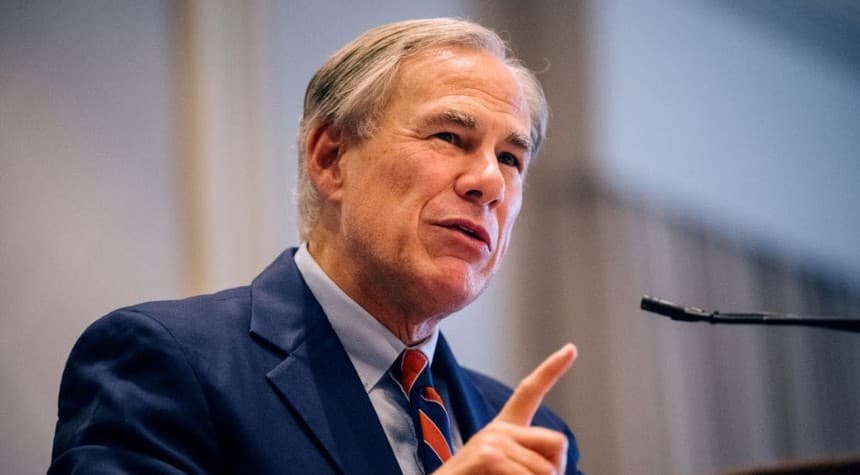
The numbers tell a sobering story, and Governor Greg Abbott is not waiting around to see if Texas becomes the next cautionary tale.
In a formal directive issued Monday, the Texas governor ordered a comprehensive investigation into the state's subsidized childcare programs, citing troubling developments up north that should make every taxpayer sit up and take notice. When federal investigators recently uncovered massive fraud schemes in Minnesota's childcare system, the Department of Health and Human Services took the extraordinary step of cutting off federal funding entirely at year's end. The alleged "ghost billing" operations in Minnesota revealed an improper payment rate of 11 percent, a figure that ought to make any fiscal conservative's blood pressure rise.
Abbott's move comes at a moment when the integrity of these programs faces unprecedented scrutiny. The Trump administration recently paused childcare funding across all states, demanding proof of legitimate spending before taxpayer dollars flow again. It is a reasonable request, given what investigators have uncovered.
To his credit, Texas currently maintains an improper payment rate of just 0.43 percent, a stark contrast to Minnesota's troubles. But Abbott understands something fundamental about fraud: it thrives in complacency. The governor framed his directive not as panic, but as prudent stewardship, noting that every dollar lost to fraud represents a genuine family stuck on a waitlist, waiting for help that never comes because someone else gamed the system.
The specifics of Abbott's order reveal a methodical approach. The Texas Workforce Commission and the Health and Human Services Commission now face clear mandates. They must identify high-risk providers and conduct unannounced site visits. No advance warning, no opportunity to stage a clean facility for inspection day. They must scrutinize enrollment data with fresh eyes, ensuring the numbers reflect actual children in actual care, not phantom recipients designed to drain public coffers.
Local Workforce Development Boards will face review of their oversight processes, with corrective action or additional training required for any board falling short of standards. This matters because fraud often flourishes in the gaps between agencies, in the spaces where nobody thinks it is their job to ask hard questions.
Abbott also ordered improvements to public reporting mechanisms. Enhanced online portals and hotlines will make it easier for Texans to report suspicious activity. This represents smart governance. The people closest to these programs often spot irregularities first, but only if they have a clear path to report concerns without bureaucratic runaround.
Perhaps most significantly, the governor demanded that completed fraud investigations be referred directly to state or federal prosecutors. No administrative slaps on the wrist, no quiet settlements. "Waste, fraud, and abuse of taxpayer dollars will not be tolerated and will be punished to the fullest extent of the law in Texas," Abbott wrote, establishing a zero-tolerance standard.
The governor set a deadline of January 30 for a progress report, giving agencies less than three weeks to demonstrate meaningful action. That timeline suggests urgency appropriate to the situation.
This investigation represents more than bureaucratic housekeeping. It tests whether state government can police itself effectively, whether officials can protect taxpayer resources while ensuring legitimate families receive needed assistance. The children on those waitlists deserve nothing less than a system with integrity at its core.
Related: Trump Calls Kentucky Congressman Massie Worst Republican as Primary Challenge Heats Up