Trump Administration Directs $500 Million to Rescue Coal Industry Across Ten States
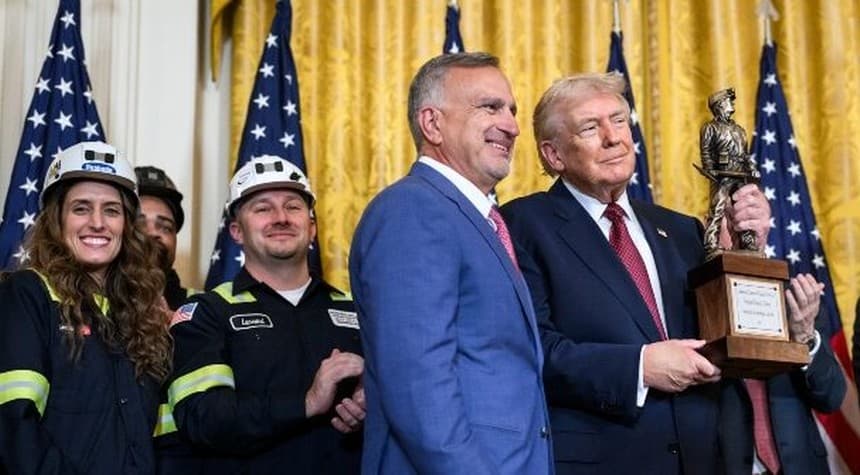
The coal industry, long considered the backbone of American energy independence, is getting a substantial lifeline from the Trump administration this week.
President Donald Trump is preparing to announce a sweeping package of federal support for coal operations across the nation, with White House officials confirming that Thursday's Oval Office event will unveil three major initiatives totaling half a billion dollars in assistance.
The centerpiece of these announcements involves $425 million in Defense Production Act funding earmarked for 13 coal-fired power plants scattered across ten states. The facilities slated to receive support are located in Arizona, Arkansas, Indiana, Kentucky, North Carolina, North Dakota, Oklahoma, Tennessee, West Virginia, and Wisconsin. Additionally, coal mining operations in Illinois, Indiana, Kentucky, New Mexico, North Dakota, Ohio, Pennsylvania, West Virginia, and Wyoming will benefit from the federal investment.
According to administration officials, this is not simply about keeping the lights on. The funding aims to extend the operational lifespan of these plants through critical infrastructure upgrades, bolster the reliability of the electrical grid, and prevent the kind of price spikes that have hammered American consumers when demand surges and supply cannot keep pace.
The timing of this announcement carries particular significance. For years, coal has been under siege from environmental regulations, market forces favoring natural gas and renewables, and a political climate that has often treated this essential energy source as a relic of the past rather than a vital component of America's energy portfolio.
The second major component of Thursday's announcement involves $75 million in Defense Production Act funding designated for construction of a coal-export terminal in Oakland, California. The facility is expected to reach completion by summer, though administration officials did not provide a specific year for that target.
This export terminal represents more than just infrastructure. It signals an intention to position American coal as a competitive force in global energy markets, opening new revenue streams for an industry that has weathered considerable economic headwinds in recent years.
The use of Defense Production Act authority for these investments underscores the administration's view that energy security and national security remain inextricably linked. Originally enacted during the Korean War, the DPA grants the president broad powers to direct industrial production and resource allocation in service of national defense priorities.
Critics will undoubtedly question whether coal deserves this level of federal support in an era of climate concerns and renewable energy expansion. Supporters counter that grid reliability depends on baseload power sources that can operate regardless of weather conditions, and that coal-fired plants provide exactly that kind of dependable generation capacity.
The geographical distribution of the funding tells its own story. These are communities where coal has provided not just electricity, but livelihoods, tax revenue, and economic stability for generations. The announcement arrives as welcome news in regions that have watched their economic foundations erode as plants closed and mines shuttered.
Whether this federal intervention can fundamentally alter the trajectory of an industry facing structural challenges remains an open question. What is clear is that the Trump administration has placed a substantial bet on coal's continued relevance to American energy independence and economic vitality.
Related: Justice Department Drops Controversial Fund as Immigration Bill Hangs in Balance