The message from the Oval Office was clear as a bell and twice as loud. President Donald Trump announced this week that his administration will stand back from protests and riots in what he termed “poorly run Democrat Cities” unless local officials specifically request assistance. And there is a catch: they will need to ask nicely.
In a detailed statement posted to Truth Social, the president outlined a policy that walks a careful line between federal responsibility and local accountability. The administration will protect federal property with what Trump promised would be considerable force, but the chaos unfolding on city streets belongs to the mayors and governors who oversee them.
“I have instructed Secretary of Homeland Security, Kristi Noem, that under no circumstances are we going to participate in various poorly run Democrat Cities with regard to their Protests and/or Riots unless, and until, they ask us for help,” Trump stated.
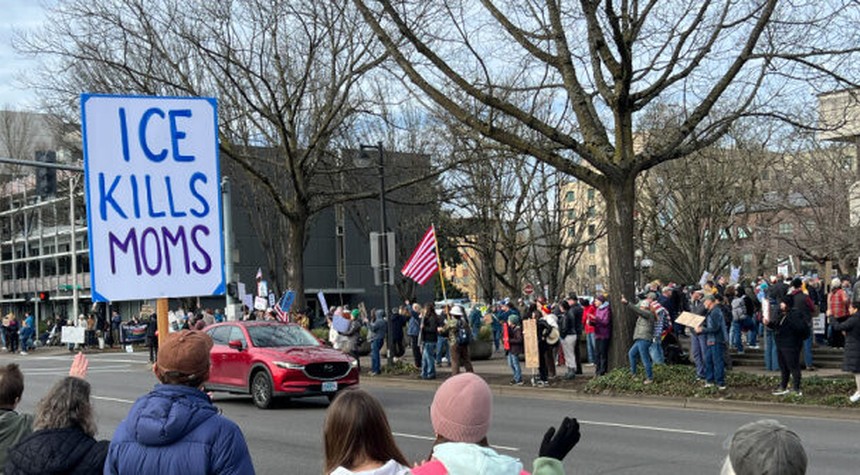
The announcement comes on the heels of troubling events in Eugene, Oregon, where protesters breached a federal building Friday night. Local police declared the situation a riot after demonstrators broke into the facility, with federal officers reportedly deploying tear gas to repel the invasion.
Trump made it abundantly clear that while city streets may be the domain of local law enforcement, federal property remains under the protective umbrella of the United States government. He has directed Immigration and Customs Enforcement and Border Patrol agents to guard federal buildings with significant force, warning that any attacks on these facilities or their defenders will meet swift consequences.
The president specifically mentioned that his administration would not tolerate protesters spitting on ICE and Border Patrol officials or hurling rocks and bricks at federal vehicles. Those who engage in such behavior, Trump warned, “will suffer an equal, or more, consequence.”
This approach represents a calculated shift in federal-local relations during times of civil unrest. The president referenced his administration’s response to riots in Los Angeles at the end of the Biden administration, noting that local officials praised federal assistance once it arrived. According to Trump, the Los Angeles Police Chief acknowledged, “We couldn’t have done it without the help of the Federal Government.”
But there is a requirement that some might find unusual, if not deliberately pointed. Before federal assistance arrives, local officials must use a specific word: “PLEASE.”
“Therefore, to all complaining Local Governments, Governors, and Mayors, let us know when you are ready, and we will be there,” Trump wrote. “But, before we do so, you must use the word, ‘PLEASE.'”
The statement also served as a warning to would-be agitators. Trump characterized protesters as “highly paid Lunatics, Agitators, and Insurrectionists,” suggesting organization behind the unrest rather than spontaneous demonstrations.
Secretary Noem now carries the responsibility of implementing this policy, which positions federal forces as a backstop rather than a first responder. The administration maintains it will act “very easily and methodically” once invited, but the invitation must come with proper deference to federal authority.
The policy raises questions about the balance of power during domestic crises and whether requiring a magic word serves any purpose beyond political theater. Yet it also places accountability squarely where the Constitution suggests it belongs: with state and local governments responsible for maintaining order within their jurisdictions.
Federal courthouses, buildings, and parks will receive robust protection regardless of local cooperation. Trump made that point emphatically, warning that ICE, Border Patrol, or if necessary, the military would be “extremely powerful and tough in the protection of our Federal Property.”
The coming weeks will reveal whether this approach restores order or deepens the divide between federal and local authorities during moments of crisis.
Related: Indictment Details Don Lemon’s Alleged Role in Disrupting Religious Service