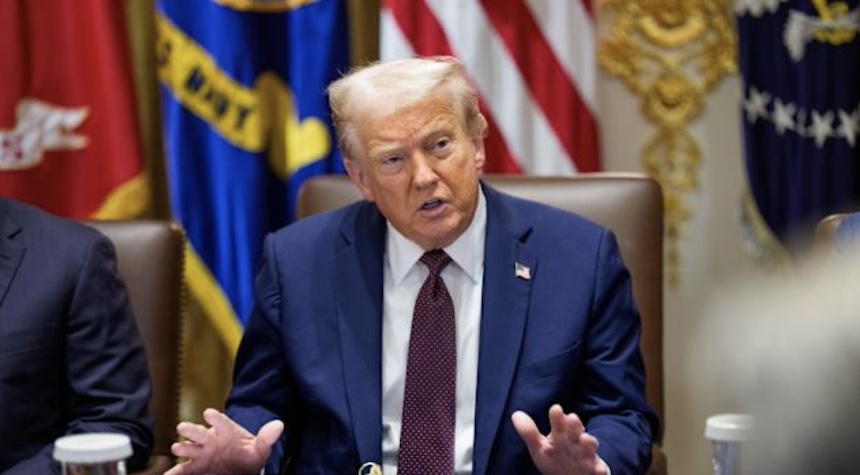
President Donald Trump has notified Congress of his intent to cancel nearly $5 billion in previously approved foreign aid, according to multiple reports. The administration plans to use a mechanism known as a “pocket rescission,” a rarely employed budgetary tool that allows funds to lapse if withheld late in the fiscal year.
According to the New York Post, the proposed cancellations include:
- $3.2 billion in U.S. Agency for International Development (USAID) development assistance.
- $322 million from the USAID-State Department Democracy Fund.
- $521 million in State Department contributions to international organizations.
- $393 million for State Department peacekeeping activities.
- $445 million in separately allocated peacekeeping aid.
Some of the programs identified by the administration include $24.6 million for climate resilience efforts in Honduras, $3.9 million for democracy initiatives focused on LGBTQ communities in the Western Balkans, and $2.7 million for a South African organization criticized for publishing racially charged articles.
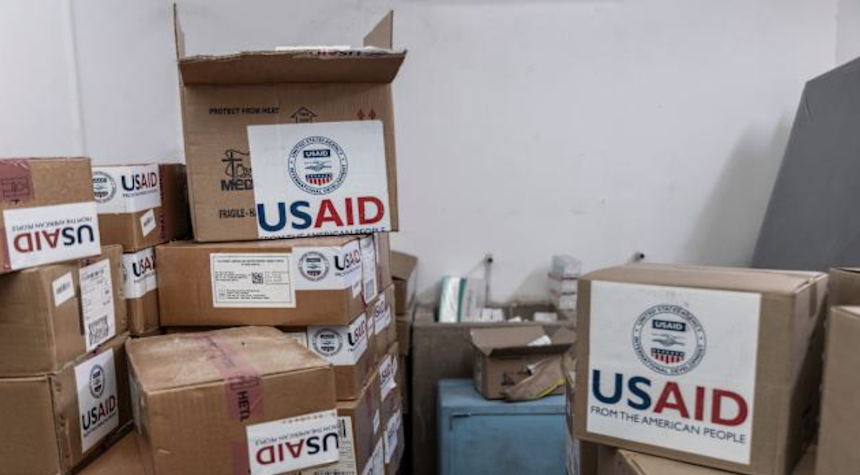
The decision follows a ruling earlier Thursday by the U.S. Court of Appeals for the D.C. Circuit, which lifted an injunction and allowed the administration to move forward with its attempt to use the pocket rescission process.
The White House Office of Management and Budget (OMB) had paused portions of the funding earlier this year, but legal challenges—including one filed by the Global Health Council—temporarily blocked the effort.
Pocket rescissions have been the subject of debate for decades. The Government Accountability Office (GAO) ruled during Trump’s first term that the practice is unlawful. However, OMB officials argue that presidents have some precedent to rely on, pointing to actions taken by Presidents Gerald Ford and Jimmy Carter in the 1970s.
You May Also Like: Trump Erupts Against John Bolton After FBI Raid
In a 2018 letter to the GAO, then-OMB General Counsel Mark Paoletta cited examples where Carter submitted rescission proposals to Congress in July 1977, with some funds ultimately lapsing by the end of the fiscal year.
The current move by the Trump administration is expected to reignite debate over presidential budget authority and Congress’s constitutional power of the purse as the 2026 fiscal year approaches its close.