Trump Sends ICE Agents to Airports as TSA Workforce Shrinks During Shutdown
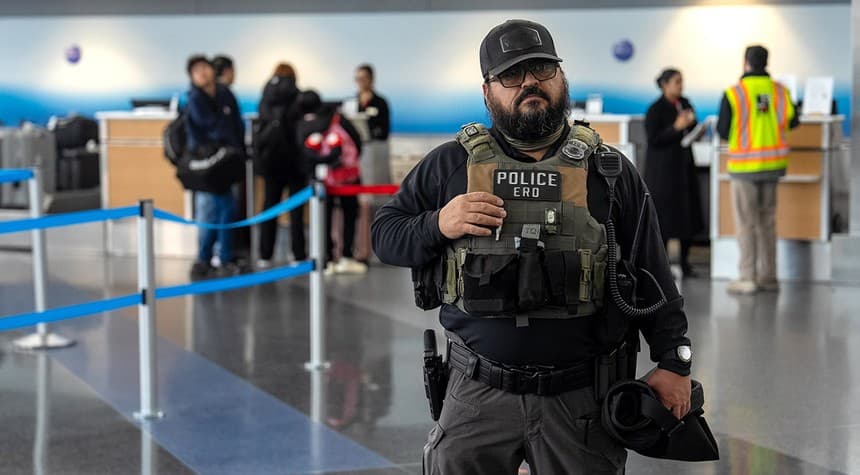
The situation at American airports has reached a critical juncture. As the partial government shutdown stretches toward its 40th day, President Donald Trump made the decision Monday to deploy Immigration and Customs Enforcement officers to airports nationwide, filling gaps left by a dwindling Transportation Security Administration workforce.
This is the kind of story that makes you wonder how we got here, and more importantly, where we are headed.
The facts are straightforward enough. TSA agents, working without paychecks for more than a month, have been calling in sick at rates that would alarm any operations manager. The administration faced a choice: allow security screening to collapse at major travel hubs, or find an alternative solution. Trump chose the latter, sending ICE personnel to shore up the security presence.
But Democrats in Congress are crying foul. Representative Veronica Escobar of Texas did not mince words when she declared there was "absolutely no reason" for the president to take this action. The congresswoman argues that Trump himself created this crisis and now appears to be using it as justification for expanding ICE's operational footprint.
Escobar has proposed what she considers a common-sense alternative: separate TSA funding from the broader appropriations battle that has paralyzed parts of the federal government. In her view, airport security should not be a bargaining chip in political negotiations over border wall funding.
The question that keeps surfacing is whether this deployment represents sound crisis management or political theater. ICE agents are trained in immigration enforcement, not necessarily the specialized screening procedures that TSA officers perform daily. Critics wonder whether this substitution truly addresses the security concerns or merely creates the appearance of action.
What cannot be disputed is the human cost of this impasse. Thousands of federal workers continue reporting to jobs that are not paying them. The strain on these families grows with each passing day, and the ripple effects extend far beyond the workers themselves.
The House Republican caucus has seized on this airport chaos as a political weapon, targeting vulnerable Democrats over what they characterize as obstruction on Department of Homeland Security funding. It is a familiar Washington playbook: when governance fails, blame the other side and hope voters are paying attention.
Meanwhile, travelers navigate longer lines and increased uncertainty. The flying public has become unwitting participants in a standoff that shows no signs of resolution.
This deployment of ICE to airports may solve an immediate staffing problem, but it raises larger questions about the sustainability of governing by crisis. At what point does temporary become permanent? When does an emergency measure become standard operating procedure?
The American people deserve better than makeshift solutions to problems that never should have reached this point. Whether you support the president's border security priorities or oppose them, the current situation serves no one well. Airport security is not a partisan issue, yet here we are, watching it become exactly that.
As this shutdown drags on, the improvisations will likely continue. The real test will be whether our elected officials can find a path forward that addresses both border security concerns and the basic functioning of government. Time will tell, but the clock keeps ticking.
Related: Federal Immigration Agents Face Backlash After Dramatic Airport Arrest Captured on Video