Trump Takes Aim at Federal Judge Over Blocked Subpoenas Against Powell
The temperature in Washington just got a few degrees hotter, and that is saying something in a town where political friction could power a small city.
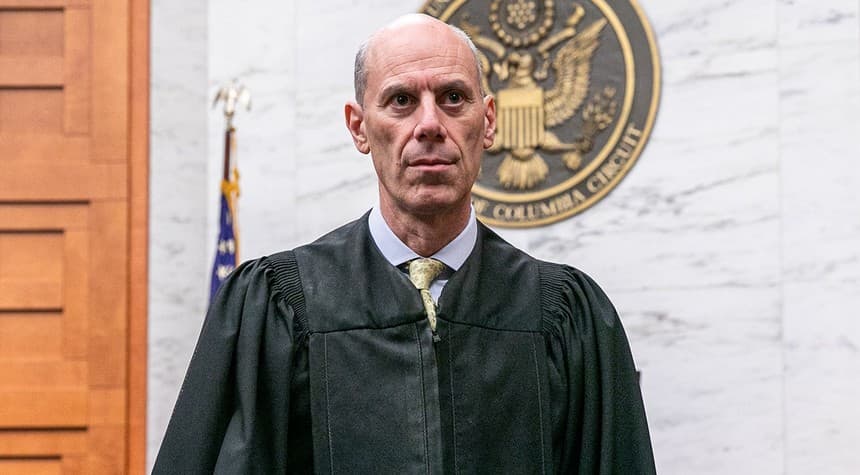
President Donald Trump unleashed a blistering critique of federal Judge James Boasberg late Sunday evening, calling for his removal from any cases involving the current administration or Republican interests. The president's sharp words came after Boasberg blocked subpoenas targeting Federal Reserve Chair Jerome Powell, a move that has reignited long-standing tensions between the executive and judicial branches.
In his statement, Trump did not mince words, describing Boasberg as exhibiting what he termed "the highest level of Trump Derangement Syndrome" and accusing the judge of harboring deep-seated bias against Republicans. The president characterized the judge as having pursued his administration and associates "for years" with what he views as predetermined hostility.
This latest clash represents more than just another skirmish in the ongoing battles over executive authority and judicial oversight. It strikes at the heart of fundamental questions about the independence of the Federal Reserve and the limits of congressional and executive power to investigate its operations.
Judge Boasberg, who serves on the U.S. District Court in Washington, has presided over numerous high-profile cases touching on matters of significant political consequence. His decision to shield Powell from subpoenas has particular weight given the current economic climate and ongoing debates about monetary policy, inflation, and the Fed's role in shaping the nation's financial future.
The president's assertion that Boasberg has demonstrated "open, flagrant, and extreme partisan bias" in case after case raises serious questions that deserve examination. If a federal judge cannot approach cases involving political figures with impartiality, the entire system suffers. Conversely, if a president can successfully pressure for the removal of judges whose rulings displease him, that too threatens the foundations of our constitutional order.
The timing of this confrontation is noteworthy. As discussions continue about who might succeed Powell as Fed chair, the ability of Congress and the executive branch to exercise oversight becomes increasingly relevant. The Federal Reserve, while designed to operate with independence from political pressure, remains a creation of Congress and ultimately answerable to the American people through their elected representatives.
What makes this situation particularly thorny is that it pits legitimate concerns about judicial bias against equally legitimate concerns about judicial independence. Federal judges receive lifetime appointments precisely to insulate them from political retaliation, yet that protection assumes they will exercise their authority with fairness and without favoritism.
The coming days will likely bring additional scrutiny of Boasberg's record and reasoning. Whether his decisions reflect genuine legal interpretation or something else entirely will matter greatly, not just for this administration but for the precedents being set for future ones.
In a capital city where institutional norms face constant testing, this latest episode serves as a reminder that the balance between branches of government remains as delicate as it is essential.
Related: Political Firm Executive Says Democrats Wildly Inflated His DHS Contract Value