
The streets of Minneapolis tell a story that ought to trouble every American who values the proper balance between law enforcement and civil liberties.
Federal immigration officers descended on the Twin Cities weeks ago, but their presence has intensified dramatically following the fatal shooting of Renee Nicole Good. What residents are experiencing now appears to be something altogether different from standard immigration enforcement operations.
The numbers speak for themselves. Minneapolis, smaller in both geography and population than Chicago, Los Angeles, or Charlotte, now hosts an estimated 3,000 federal immigration officers. To put that in perspective, the city’s entire police force numbers just 600 officers. That is not reinforcement. That is occupation.
More than two dozen residents paint a consistent picture of what life has become in their neighborhoods. Unmarked vehicles idle on residential streets. Federal agents conduct door-to-door operations. Officers appear inside retail establishments and shopping centers, including at a Target store in Richfield the day after Good’s death.
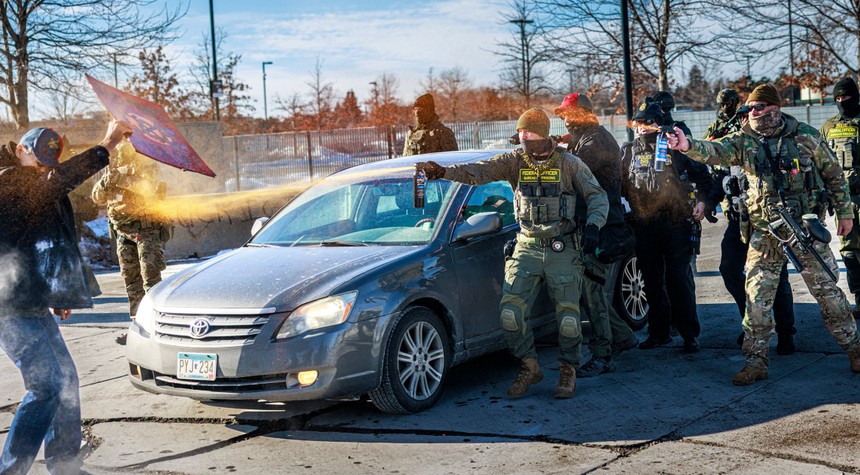
The evidence continues to mount. Videos circulating on social media show arrests that can only be described as violent. One woman was dragged from her vehicle. Other footage, provided by local activists, depicts officers smashing car windows and deploying chemical agents at point-blank range into residents’ faces.
A restaurant owner, speaking on condition of anonymity for fear of retaliation, closed her business temporarily to protect immigrant employees. She joined protesters at the Whipple federal detention facility on a bitter 12-degree morning. Her assessment was stark and unvarnished.
The Trump administration has branded this effort Operation Metro Surge, but the mission appears to have expanded well beyond immigration enforcement. Federal officers are now engaging directly with protesters opposing their presence.
Wednesday night brought another shooting. A man was struck in the leg after federal authorities claim he attacked an officer with a snow shovel or broom handle. The Department of Homeland Security characterized it as defensive action against an ambush by three individuals.
Mayor Jacob Frey finds himself caught in an impossible position. At a news conference following Wednesday’s shooting, he acknowledged the city’s predicament. His police force is outnumbered five to one by federal immigration personnel. He urged residents to maintain order while simultaneously warning protesters against escalation.
The composition of this federal force deserves scrutiny. More than 2,000 Immigration and Customs Enforcement personnel form the core, supplemented by hundreds of Border Patrol agents operating far from any international boundary.
This raises fundamental questions about the appropriate use of federal law enforcement power. Regardless of one’s position on immigration policy, the deployment of thousands of federal agents in a mid-sized American city represents something new and potentially dangerous.
The tension in Minneapolis reflects broader national divisions over immigration and executive authority. But what is happening on those cold Minnesota streets transcends political disagreement. It touches on the very nature of American governance and the relationship between federal power and local communities.
The facts demand attention. The scale of this operation is unprecedented. The tactics being employed are aggressive. The constitutional implications are profound.
Americans of all political persuasions should watch Minneapolis closely. What happens there may well determine what happens elsewhere.
Related: Federal Trade Commission Asked to Probe Trump Family Phone Business