The temperature is rising in the Caribbean, and it has nothing to do with the tropical climate.
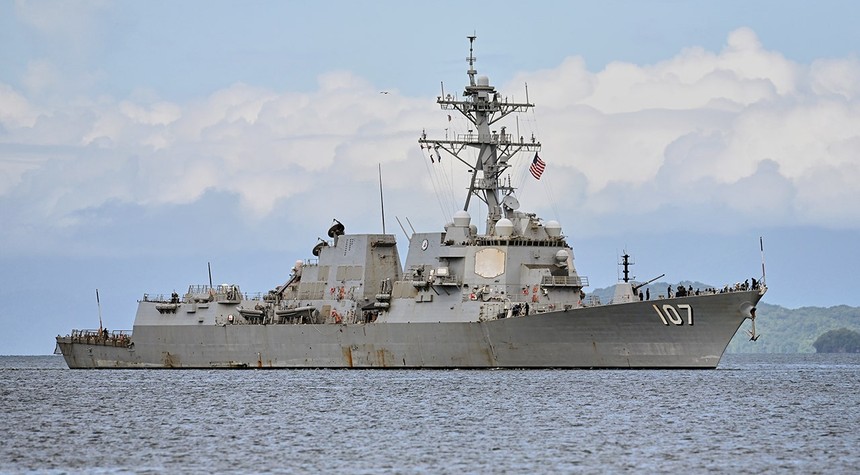
On Sunday, the USS Gravely, a guided missile destroyer, pulled into Port-of-Spain, Trinidad and Tobago, marking the latest chapter in the Trump administration’s increasingly muscular approach to narco-terrorism in our hemisphere. The warship will conduct joint military training exercises with Trinidad and Tobago through Thursday, a deployment that carries significant implications for the region and particularly for Venezuela’s embattled dictator, Nicolás Maduro.
Make no mistake about what is happening here. This is not some routine port call or goodwill visit. This is a deliberate projection of American military power in waters that have become highways for drug traffickers and criminal cartels.
U.S. Embassy Chargé d’Affaires Jenifer Neidhart de Ortiz stated plainly that these exercises aim to “address shared threats like transnational crime and build resilience through training, humanitarian missions, and security efforts.” That is diplomatic language for what amounts to a coordinated effort to choke off the flow of illegal narcotics that poison American communities.
Venezuelan opposition leader María Corina Machado has been vocal about the Maduro regime’s complicity in the drug trade, and President Trump has gone further, directly accusing Maduro of operating as a cartel leader himself. These are serious charges backed by serious action.
The Maduro regime, predictably, has denounced the exercises as “dangerous” and a “hostile provocation.” Venezuela’s Foreign Ministry called the American military presence a “serious threat” to the Caribbean region. That reaction tells you everything you need to know about whose interests are being threatened here, and it is not the interests of law-abiding citizens.
Trinidad and Tobago’s Prime Minister Kamla Persad-Bissessar has stood firm in supporting the U.S. military presence and has backed the Trump administration’s strikes on suspected drug vessels operating in Venezuelan waters. That takes courage in a region where Maduro has long attempted to bully and intimidate his neighbors.
The USS Gravely’s arrival comes as the aircraft carrier USS Gerald R. Ford moves closer to Venezuelan waters, creating a formidable American naval presence aimed squarely at disrupting the cartels’ maritime operations. The Trump administration has already ordered multiple strikes in the Caribbean, targeting vessels suspected of drug smuggling.
Maduro has accused the United States of fabricating “a new eternal war” against Venezuela. That is rich coming from a dictator who has presided over his nation’s collapse into poverty, starvation, and chaos while allegedly facilitating the drug trade that devastates communities across the Americas.
The facts on the ground are clear. Drug cartels have turned the Caribbean into a superhighway for poison destined for American streets. The Trump administration has decided that enough is enough. Whether you call it military pressure, deterrence, or a show of force, the message being sent is unmistakable.
This is about protecting American lives and supporting regional partners who refuse to be intimidated by a failing dictatorship. The question now is whether Maduro will continue his defiance or recognize that the rules of the game have fundamentally changed.
The USS Gravely sits in Port-of-Spain as a reminder that American resolve, when properly directed, remains a powerful force in this hemisphere. The drug cartels and their enablers would do well to take notice.
Related: Revolutionary American AI Jet Could Neutralize China’s First Strike Strategy