Vance Claims Minneapolis Protester Was Part of Organized Left-Wing Network
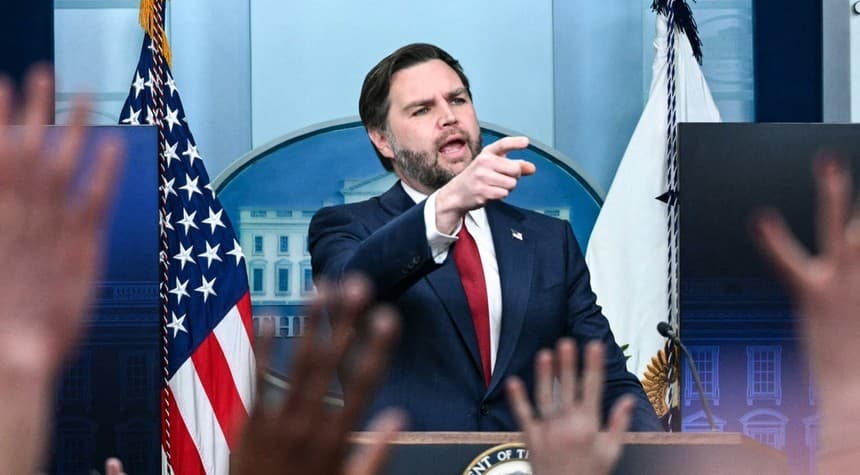
The temperature in the White House briefing room rose considerably Thursday as Vice President JD Vance took to the podium to address a shooting that has become a flashpoint in the ongoing debate over immigration enforcement.
Renee Nicole Good, a 37-year-old woman, lost her life Wednesday during a confrontation with Immigration and Customs Enforcement officers in Minneapolis. The circumstances surrounding her death have sparked fierce disagreement between federal and local authorities, with each side presenting sharply different accounts of what transpired.
Vance made a bold claim during his appearance, asserting without presenting supporting evidence that Good had been "brainwashed" and suggesting she may have been connected to what he called a "broader, left-wing network." It is the kind of allegation that demands substantiation, yet the vice president offered little in the way of concrete details to support his theory.
The vice president's tone grew heated at times as he fielded questions from reporters. He expressed regret over Good's death while simultaneously criticizing her presence at what he characterized as an unlawful protest interfering with law enforcement operations.
President Trump previously stated that Good was "resisting" orders and "viciously ran over" an ICE officer during the incident. However, officials on the ground and at least one eyewitness have disputed this version of events. The discrepancy between accounts raises questions that deserve thorough investigation.
Video footage of the incident has circulated widely, with the administration maintaining the shooting was justified based on what the footage shows. Minneapolis Mayor Jacob Frey, a Democrat, used colorful language to reject the administration's claims outright. Minnesota Governor Tim Walz went further, accusing federal officials of spreading "propaganda."
Vance's appearance in the briefing room was noteworthy in itself. Vice presidents typically maintain a lower profile in such settings, but the administration appears determined to make Vance their primary voice on Minnesota-related matters. He appeared alongside White House press secretary Karoline Leavitt to discuss not only the shooting but also an ongoing fraud investigation involving alleged misuse of welfare funds in the state.
The vice president directed particular criticism toward Governor Walz, who served as his Democratic opponent during the vice presidential campaign. The political dimensions of this confrontation are impossible to ignore.
Vance called on those with concerns about immigration policy to express their views at the ballot box rather than through protest, framing the incident as part of what he termed "terrorism" against law enforcement officers. It is strong language that reflects the administration's determination to stand firm on enforcement operations.
The question of what actually happened in Minneapolis demands answers grounded in evidence rather than political positioning. A woman is dead, law enforcement officers were involved, and the public deserves a clear accounting of the facts. The gap between the federal government's narrative and what local officials describe suggests that the full truth has yet to emerge.
This incident arrives at a moment when immigration enforcement has become increasingly contentious across the country. How this case is resolved, and whether an independent investigation can establish the facts beyond political dispute, may well influence how future operations are conducted and perceived.
Related: Comer Questions Whether Walz Administration Enabled Widespread Social Services Fraud