Virginia Faces Legal Challenge Over Law Allowing People Who Never Lived in State to Vote
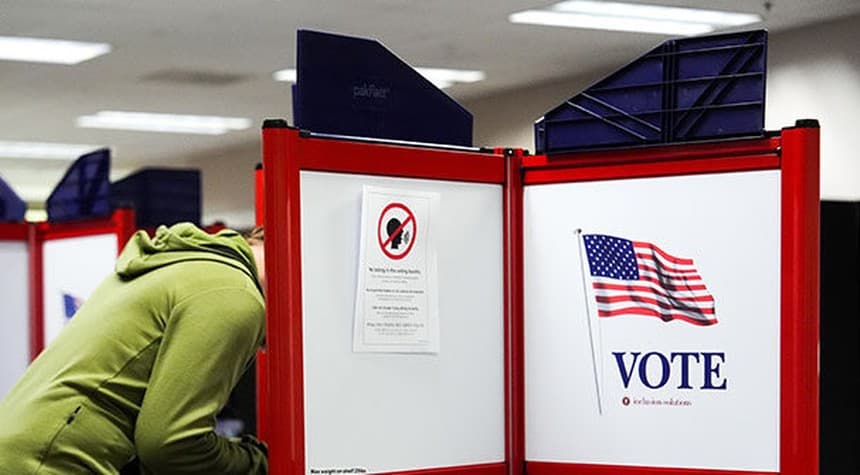
The courage of our convictions as Americans has always rested on a simple principle: those who cast ballots in our elections should have genuine ties to the communities those votes affect. Now, that principle faces a test in the Commonwealth of Virginia.
The Republican National Committee has taken Virginia's State Board of Elections to court over what they describe as a fundamental breach of the state's own constitution. At issue is a provision in state law that, while originally crafted with noble intentions, may have opened a door far wider than anyone anticipated.
The law in question was written to ensure military members serving overseas could maintain their right to vote in Virginia elections. That is a worthy goal, one that honors the sacrifice of those who defend our nation from distant shores. But according to the lawsuit filed Monday by the RNC and RITE PAC, the provision has evolved into something quite different.
The legal challenge centers on Virginia Code sections 24.2-452(1)(e) and 24.2-456, which the plaintiffs argue permit individuals who have never set foot in Virginia to register and cast ballots in the state's elections. More remarkably still, the lawsuit contends that people who have never even lived in the United States can vote in Virginia, provided their parent or legal guardian once resided there before leaving the country.
"People who have never lived in Virginia — or even in the United States — should not be voting in Virginia's election," RNC Chairman Joe Gruters stated plainly. "Virginia officials are ignoring the Virginia Constitution and allowing ineligible voters to cast ballots."
The court documents paint a stark picture of the constitutional question at hand. The lawsuit argues that Virginia has effectively relaxed the state constitution's residency requirement, basing voting eligibility not on an individual's own connection to the Commonwealth, but rather on where their parent or guardian last lived before departing American soil.
This raises profound questions about the nature of representative government. Can someone who has never walked Virginia's streets, never paid taxes to its treasury, never sent children to its schools, truly represent the interests of those who call the state home? The framers of Virginia's constitution apparently thought not, which is why they included residency requirements in the first place.
The RNC's legal action in Virginia is part of a broader effort to ensure election integrity across multiple states. Similar lawsuits have been filed against Michigan and Arizona, all aimed at what the committee describes as ensuring only eligible residents vote in state elections.
At its heart, this case asks us to consider what it means to be a stakeholder in a community. Voting is not merely a right to be exercised from anywhere on earth. It is a responsibility that comes with genuine connection to the place where that vote will shape laws, allocate resources, and determine the future.
The courts will now decide whether Virginia's interpretation of its military voting provisions has strayed too far from constitutional moorings. Whatever the outcome, the questions raised deserve serious consideration by citizens and lawmakers alike.
Related: Chinese Nationals Arrested After Children Allegedly Plot Attack on Florida Military Base