
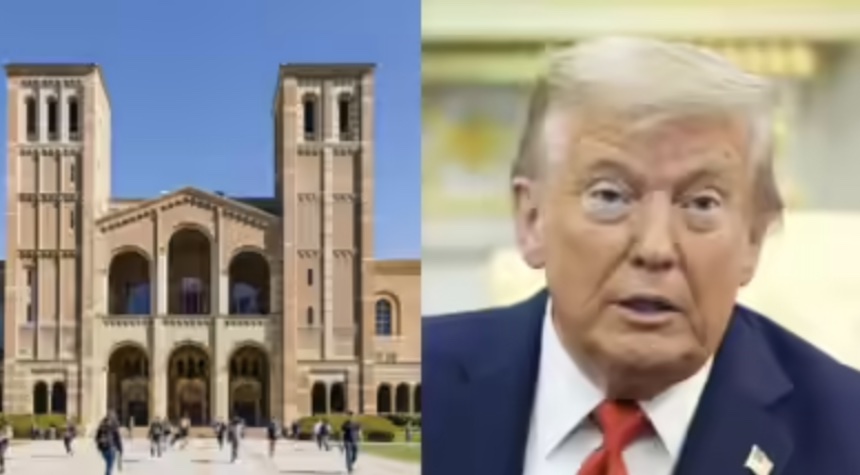
On Monday, a federal judge decreed that the Trump administration must reinstate federal grants that had been frozen, all directed towards the University of California, Los Angeles. These details come to us via a court filing.
Reports indicate that back in August, UCLA revealed that its funding, amounting to approximately $584 million, was frozen by the Trump administration. This decision came about after the federal government expressed disapproval of the university’s handling of pro-Palestinian protests. Both the Los Angeles Times and Politico reported that U.S. District Judge Rita Lin’s ruling necessitates the restoration of more than $500 million in funding to the university. This follows Lin’s previous order directing the Trump administration to restore a portion of the suspended federal funding to UCLA.
Also Check Out: Jimmy Kimmel’s Late-Night Show Set to Return After Controversy Sparks Suspension
The Trump administration has a history of reducing or threatening to withhold federal funds from universities over their response to protests related to the Israel-Gaza conflict. The federal government has accused universities, including UCLA, of enabling displays of antisemitism during these protests. Pro-Palestinian protesters, which include some Jewish groups, argue that their criticism of Israel’s treatment of Gaza and its occupation of Palestinian territories should not be characterized as antisemitism. They also maintain that their advocacy for Palestinian rights should not be equated with extremism.
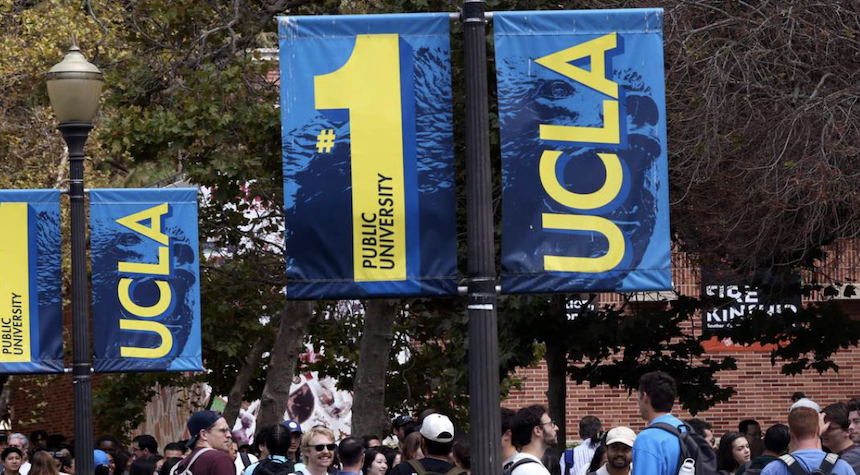
Judge Lin, who presides over the United States District Court for the Northern District of California, stated in her order that the indefinite suspensions of grants from the National Institutes of Health were likely “arbitrary and capricious.”
The Trump administration has been ordered by a federal judge to restore frozen grants to UCLA. The final implications of this ruling are yet to be completely understood. However, this development underscores the importance of our democratic processes, the judicial system’s role within it, and the continuing debates around the Israel-Gaza conflict and university funding. We will continue to monitor this situation closely and provide updates as they become available.