Navy Scraps Nearly $3 Billion Submarine Overhaul in Major Strategic Shift
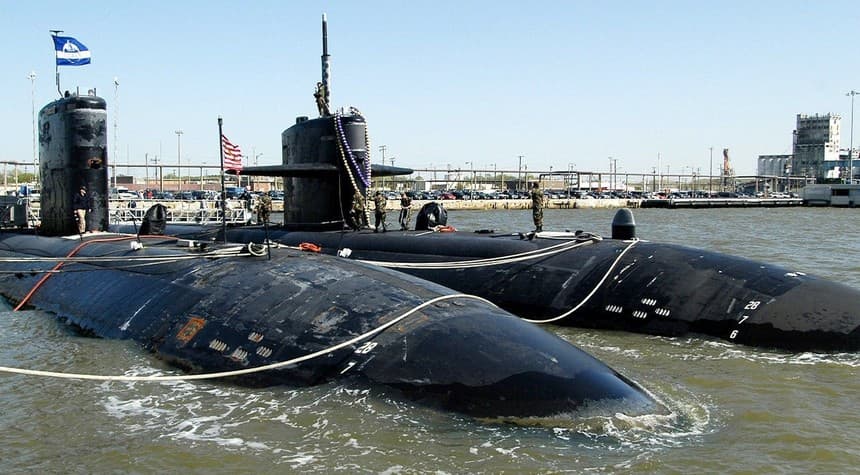
The United States Navy has made the difficult but necessary decision to cancel the long-troubled overhaul of the USS Boise, a Los Angeles-class attack submarine that has become a cautionary tale of defense procurement gone awry. After costs ballooned to nearly $3 billion, Navy Secretary John Phelan pulled the plug on a project that had consumed $800 million with another $1.9 billion required to complete repairs on a vessel that would deliver only about 20% of its remaining service life.
This is the kind of hard choice that separates serious leadership from bureaucratic inertia. In Washington, admitting failure and changing course takes courage, particularly when hundreds of millions of taxpayer dollars have already been spent.
"At some point, you just cut your losses and move on," Phelan stated plainly, and those words carry weight in an era when government programs often limp along long past their point of usefulness simply because no one wants to acknowledge the mistake.
The USS Boise's saga represents everything that can go wrong with defense acquisition. What began as a routine overhaul spiraled into a financial sinkhole, with costs more than doubling from the original $1.2 billion contract. The submarine sat idle while expenses mounted, skilled labor was tied up, and the strategic calculus shifted beneath everyone's feet.
Secretary Phelan's decision reflects a broader strategic realignment within the Navy. Rather than throwing good money after bad, the service will redirect funding and critically important skilled labor toward building and delivering newer Virginia-class and Columbia-class submarines. These modern vessels represent the future of undersea warfare, equipped with capabilities the aging Los Angeles-class boats simply cannot match.
The Virginia-class attack submarines bring advanced stealth technology and expanded mission capabilities to the fleet. The Columbia-class ballistic missile submarines will replace the aging Ohio-class boats that currently carry a significant portion of America's nuclear deterrent. Both programs face their own challenges and delays, making the reallocation of resources from the Boise project not just sensible but strategically imperative.
This move also speaks to the larger question of how America builds and maintains its military might. The defense industrial base faces serious challenges, from workforce shortages to supply chain disruptions. Every dollar spent and every skilled worker assigned to one project means resources unavailable for another. The opportunity cost of continuing the Boise overhaul had simply become too high.
The Navy's troubled acquisition programs have been a recurring theme in recent years, with cost overruns and schedule delays plaguing everything from the Littoral Combat Ship to the Ford-class carriers. Phelan's willingness to acknowledge failure and pivot represents a departure from the usual pattern of doubling down on failing programs.
For taxpayers and national security observers alike, this decision raises important questions about oversight and accountability in defense spending. How did costs more than double? What safeguards failed? And perhaps most importantly, what lessons will be applied to prevent similar situations with future programs?
The answers to those questions matter because American naval power remains essential to global stability and national security. China continues its aggressive naval buildup while threats proliferate across multiple theaters. America cannot afford to waste resources on projects that deliver minimal return on investment, no matter how painful it may be to walk away from sunk costs.
Secretary Phelan's decision to cancel the USS Boise overhaul is a reminder that sometimes the hardest decisions are the right ones.
Related: Clay Fuller Credits Trump for Special Election Victory in Georgia’s 14th District