
The story of Kilmar Abrego Garcia reads like something out of a Kafka novel, except the bureaucratic maze is real, the family separation is genuine, and the legal wrangling continues to unfold in American courtrooms and detention centers.
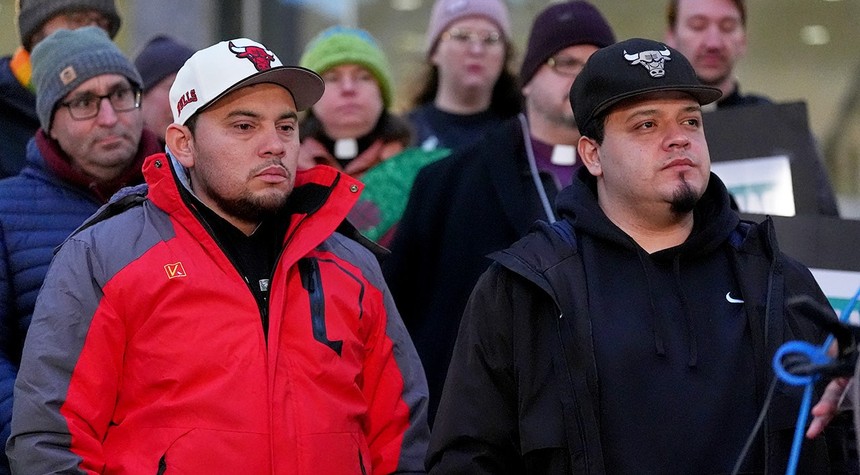
Garcia, a Salvadoran migrant, walked out of the ICE Moshannon Valley Processing Center in Philipsburg, Pennsylvania on Thursday, only to be summoned back for a check-in at a Baltimore facility the very next day. Standing before supporters and media outside the Baltimore Immigration and Customs Enforcement office on Friday, he delivered his first public remarks since gaining his freedom.
“I stand before you as a free man, and I want you to remember me this way, with my head held up high,” Garcia said through a translator, his voice carrying the weight of someone who has been through the wringer and emerged determined to tell his tale.
The timing carries its own poignancy. Garcia spent Thursday evening with his family, celebrating what he called “everything for me, especially so close to Christmas and being in this holiday season.” For a man who has experienced the sharp edge of family separation, those hours must have felt precious beyond measure.
But this is where the story takes a turn that ought to give any American pause, regardless of where they stand on immigration policy. When Garcia received notice of Friday’s mandatory check-in, his legal team suspected what they called “a terrible case of déjà vu,” fearing he would be immediately rearrested upon arrival.
Working past midnight, attorney Simon Sandoval-Moshenberg filed an emergency application for a temporary restraining order with U.S. District Judge Paula Xinis. At 7:30 Friday morning, the judge granted the order, explicitly prohibiting ICE from rearresting Garcia at the check-in.
Judge Xinis had ordered Garcia’s release on Thursday after determining that the Trump administration lacked proper legal authority to hold him. Specifically, the government had not obtained the final notice of removal order required to deport him to a third country. The administration had previously identified several African nations as potential destinations for his removal, raising questions about the legal framework being employed.
“Since Abrego Garcia’s return from wrongful detention in El Salvador, he has been re-detained, again without lawful authority,” Xinis wrote in her Thursday order. The phrase “wrongful detention” coming from a federal judge deserves careful attention.
Garcia used his moment in the spotlight to address others facing similar circumstances. “I want to tell everybody who is also suffering family separation, God is with you. This is a process. Keep fighting,” he said, adding that he intends to “continue to fight and stand firm against all of the injustices this government has done upon me.”
The Justice Department is expected to challenge Judge Xinis’s order, setting up yet another round in what has become a protracted legal battle.
This case raises fundamental questions about due process and the rule of law. Whatever one’s position on immigration enforcement, the principle that government must follow its own procedures matters. When a federal judge twice finds that detention lacks lawful authority, it warrants serious scrutiny.
As Garcia celebrates Christmas with his family under the shadow of continued legal uncertainty, his case serves as a reminder that behind every immigration statistic stands a human being, and behind every detention order should stand proper legal authority.
Related: Texas Democrats Face Uphill Battle as Jasmine Crockett Launches Senate Campaign