
The clock is ticking in Washington, and the sound you hear is not just the passage of time but the potential collapse of good faith negotiations over the Department of Homeland Security’s future.
With just nine days remaining until a possible partial shutdown, House Republicans are expressing deep skepticism about whether their Democratic colleagues are genuinely interested in reaching a workable compromise on DHS funding. The deadline of February 13 looms large, and the gap between the two parties appears to be widening rather than narrowing.
The mathematics of the situation are straightforward enough. Any DHS funding bill must navigate the Senate’s 60-vote threshold, which demands bipartisan cooperation. In the House, where a simple majority rules, Republicans hold the gavel but face a united Democratic front making demands that many conservatives consider beyond the pale.
Republican Study Committee Chairman August Pfluger of Texas did not mince words when assessing the Democratic position. The demands put forward by Democratic leadership strike him as unreasonable, bordering on an attempt to fundamentally dismantle immigration enforcement as we know it. Some Democratic members have openly called for abolishing Immigration and Customs Enforcement entirely, lending credence to Republican suspicions about the true aims of these negotiations.
The trust deficit runs deep. Pfluger pointed to four years of what he characterized as bad faith governance that left the country in a precarious position on border security and immigration enforcement. That history casts a long shadow over current discussions.
Representative Riley Moore of West Virginia, serving on the House Appropriations Committee, echoed these concerns about the reliability of Democratic negotiating partners. Representative Andy Ogles of Tennessee employed even sharper language, characterizing the Democratic approach as legislative terrorism.
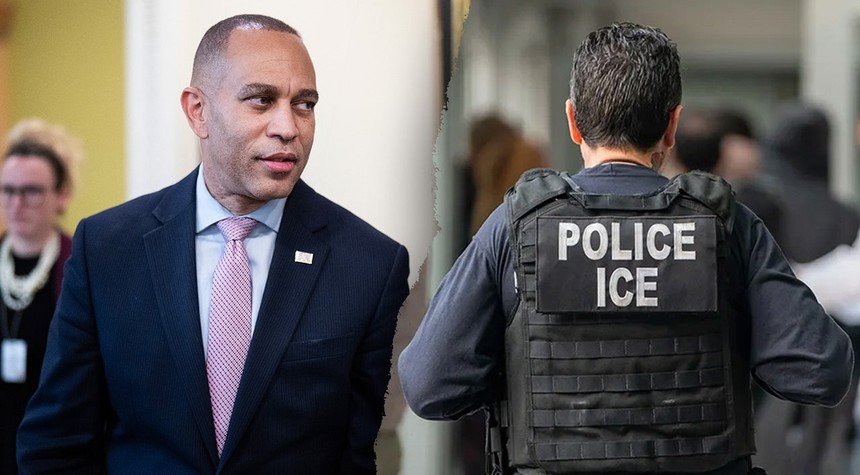
The specific demands laid out by House Minority Leader Hakeem Jeffries and Senate Minority Leader Chuck Schumer during their Wednesday press conference include a ban on ICE agents wearing masks, mandatory body cameras for federal officers, requiring judicial warrants for arrests, and prohibitions on deporting or detaining United States citizens.
These proposals represent a fundamental reimagining of how immigration enforcement operates in this country. Whether one views them as necessary reforms or dangerous restrictions depends largely on where one stands on the broader question of border security and national sovereignty.
What remains clear is that the current trajectory leads toward a partial shutdown that would affect multiple agencies, including FEMA and TSA, while immigration funding itself would remain largely intact. The irony of that outcome has not been lost on observers who note that a shutdown ostensibly over immigration policy would primarily impact agencies with different missions entirely.
The coming days will test whether Washington can function when trust has eroded to such a degree. Compromise requires both sides to believe the other is operating in good faith. Right now, that belief appears to be in short supply among House Republicans tasked with funding the very agency charged with protecting our homeland.
The American people deserve better than political theater when national security hangs in the balance. Whether they will get it remains an open question as the February 13 deadline approaches with alarming speed.
Related: Trump Endorsement Prompts Louisiana Republican to Switch Races in Strategic Move