
The question facing Americans tonight is not a new one, but it grows more urgent by the day. What happens when state officials decide federal law enforcement has no place in their communities, even as violent criminal gangs operate within their borders?
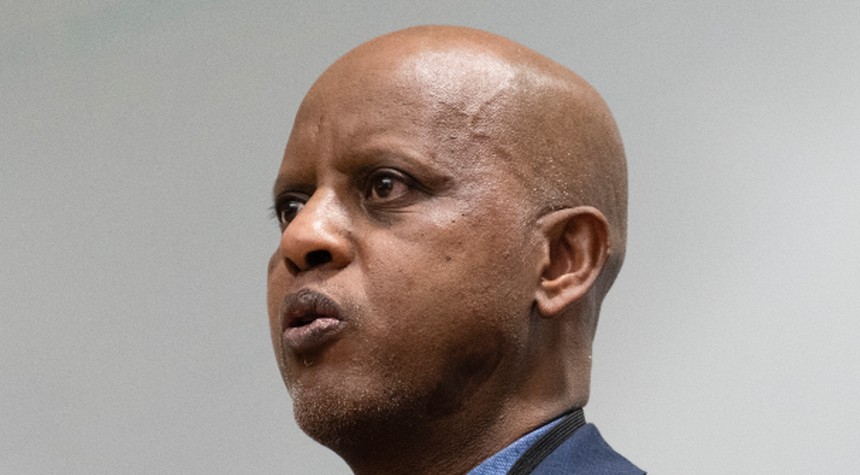
In Oregon, State Senator Kayse Jama stood before cameras Thursday and delivered a message to federal immigration authorities that was as clear as it was controversial. “Let me say to the federal agencies and ICE. This is Oregon, we do not need you, you’re not welcome, and you need to get the hell out of our community,” the Democratic lawmaker declared.
The press conference came on the heels of a shooting incident in Portland involving federal agents and two individuals connected to Tren de Aragua, a Venezuelan criminal organization that has spread its tentacles across American cities like kudzu on a fence post.
According to the Department of Homeland Security, Border Patrol agents were conducting what they described as a targeted vehicle stop Thursday morning at 2:19 Pacific time. The passenger they sought was a Venezuelan national in the country illegally, allegedly affiliated with the gang’s prostitution operations and involved in a recent Portland shooting. The driver, authorities believe, was also a member of this same criminal enterprise.
When agents identified themselves, the situation turned dangerous. The driver allegedly weaponized his vehicle, attempting to run over the law enforcement officers. An agent, fearing for his life, fired a defensive shot. The vehicle fled the scene with both occupants inside.
This incident did not occur in isolation. Just one day earlier in Minneapolis, an ICE agent shot and killed a woman who also allegedly weaponized her vehicle against agents conducting enforcement operations. Minneapolis Mayor Jacob Frey responded with language that mirrored Senator Jama’s sentiment, telling ICE to leave his city in equally colorful terms.
The pattern emerging here deserves scrutiny. Tren de Aragua has become a household name for Americans tracking the consequences of border security failures. This Venezuelan gang has established operations in cities nationwide, engaging in prostitution rings, violent crime, and other criminal enterprises that prey on communities already struggling with public safety challenges.
Senator Jama, who came to America as a refugee from Somalia according to his legislative biography, now serves in the Oregon State Legislature. His position reflects a growing divide between some state and local officials and federal authorities tasked with enforcing immigration law.
The timing of these confrontations is noteworthy. The Trump administration has made clear its intention to prioritize the removal of criminal aliens from American communities. That mission has encountered resistance in Democrat-led jurisdictions, where officials have positioned themselves as barriers rather than partners in federal law enforcement.
Meanwhile, Minnesota faces separate scrutiny over allegations of massive fraud connected to its Somali community, adding another layer to the complex questions surrounding immigration enforcement and state cooperation.
The fundamental issue remains unresolved. Federal agents pursuing dangerous gang members with ties to violent crime find themselves unwelcome in communities where those same criminals operate. The mathematics of public safety do not support this equation, yet the political calculations apparently do for some elected officials.
Americans watching these events unfold might reasonably ask what comes next when state senators tell federal law enforcement to leave, even as criminal organizations flourish in the shadows of sanctuary policies. The answer to that question will likely be written in the crime statistics and courtrooms of cities like Portland and Minneapolis in the months ahead.
Related: Graham Announces Trump Approval for Russia Sanctions Bill After Months of Negotiations